




15 products
Frequently Asked Questions About Buying Oolong Teas
Oolong tea may support a healthy lifestyle, but it is not a weight-loss solution on its own. It contains caffeine and natural compounds that may temporarily influence metabolism and energy expenditure. For meaningful weight management, oolong tea is best enjoyed as part of a balanced diet and regular physical activity rather than relied on as a standalone solution.
Milk oolong tea is known for its naturally creamy, smooth, and slightly sweet flavor. Depending on the tea and how it is processed, you may notice soft floral, buttery, or milky notes. Despite its name, traditional milk oolong does not necessarily contain milk or dairy, it gets its characteristic creamy impression from the tea itself.
If you're new to oolong tea, start with a variety that has a smooth and approachable flavor rather than a highly roasted or strongly aromatic tea. Lightly oxidized oolongs tend to be floral and fresh, while darker or roasted oolongs usually have deeper, toastier, and nuttier flavors. Trying a few different styles is a simple way to discover which profile you prefer.
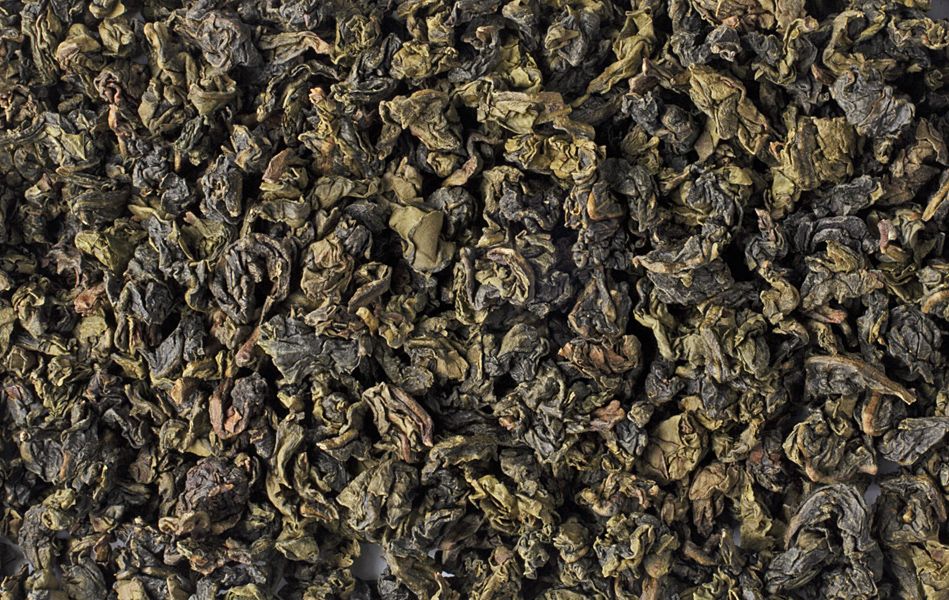
High-quality oolong tea generally has whole or well-formed leaves, a clean aroma, and a balanced flavor without harsh bitterness or stale notes. The leaves should look consistent and brew into a clear, aromatic cup. It is also helpful to consider the tea's origin, harvest information, processing method, and how transparently the seller describes the tea.
Oolong tea naturally contains caffeine, but the exact amount varies depending on the tea, serving size, leaf-to-water ratio, and brewing time. A typical cup may contain roughly 30–50 mg of caffeine, although some oolongs can contain more or less. If you're sensitive to caffeine, consider using fewer leaves or a shorter steeping time.
To distinguish authentic oolong tea from lower-quality or mislabeled tea, look at the leaves, aroma, flavor, and product information. Real oolong should have recognizable whole or partially rolled leaves and a clean, distinctive aroma rather than an artificial or overly perfumed smell. Check the tea's stated origin and processing details, and be cautious of products with vague descriptions, unusually low prices, or strong artificial flavors.