




Frequently Asked Questions About Buying Yellow Tea
Yellow tea is a traditional tea made from the leaves of the Camellia sinensis plant, just like green, black, white, and oolong teas. What makes it different is a unique processing step called yellowing, where the leaves are gently wrapped or covered while they are still warm. This allows mild oxidation to occur and gives yellow tea its characteristic golden color, mellow flavor, and smoother character compared with many green teas.
Yellow tea contains naturally occurring polyphenols, catechins, and other plant compounds that are also found in other types of tea. These compounds have antioxidant properties, which is one reason yellow tea can be a pleasant addition to a balanced diet. However, yellow tea should be enjoyed as a beverage rather than relied on to treat or prevent specific health conditions.
Yellow tea generally has a smooth, mellow, and slightly sweet flavor with gentle floral, grassy, or fruity notes depending on the variety. Because of its distinctive processing, it tends to have less of the sharp, grassy character that some green teas can develop. The result is often a soft and rounded cup that is approachable even for people who find green tea too astringent.
Yellow tea is not a weight-loss solution on its own. Like other teas made from Camellia sinensis, it contains caffeine and naturally occurring catechins that may have modest effects on energy metabolism. If you're trying to manage your weight, yellow tea can be enjoyed as part of a balanced diet and active lifestyle, but it should not replace healthy eating or regular exercise.
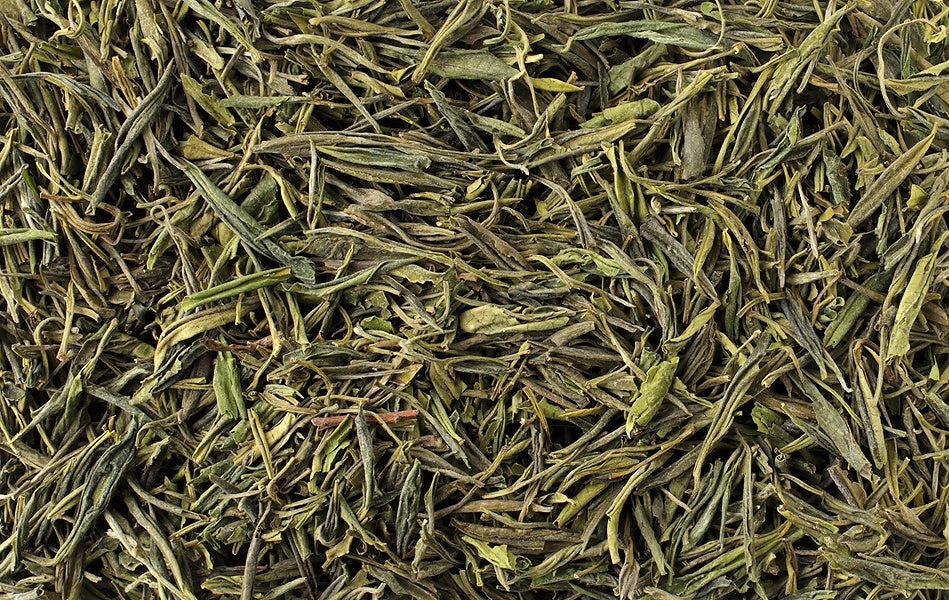
Authentic yellow tea should have clear information about its origin, tea variety, processing method, and ingredients. The dry leaves should have a clean, natural aroma and consistent appearance, while the brewed tea should have a smooth, mellow character rather than an overly harsh or artificially flavored taste. Buying from a reputable tea supplier that provides transparent sourcing and product details is one of the best ways to avoid mislabeled or low-quality tea.