




Frequently Asked Questions About Oolong Teabags
Oolong tea naturally contains caffeine, but the exact amount varies depending on the tea variety, amount of tea used, and brewing time. A typical cup of Oolong tea may contain around 30–50 mg of caffeine, although individual teas can be higher or lower. If you're sensitive to caffeine, use a shorter steeping time or enjoy your Oolong earlier in the day.
For a flavorful cup, start with fresh, filtered water at around 190°F (88°C) and steep the Oolong tea bag for approximately 3–4 minutes. You can adjust the steeping time depending on whether you prefer a lighter or stronger cup.
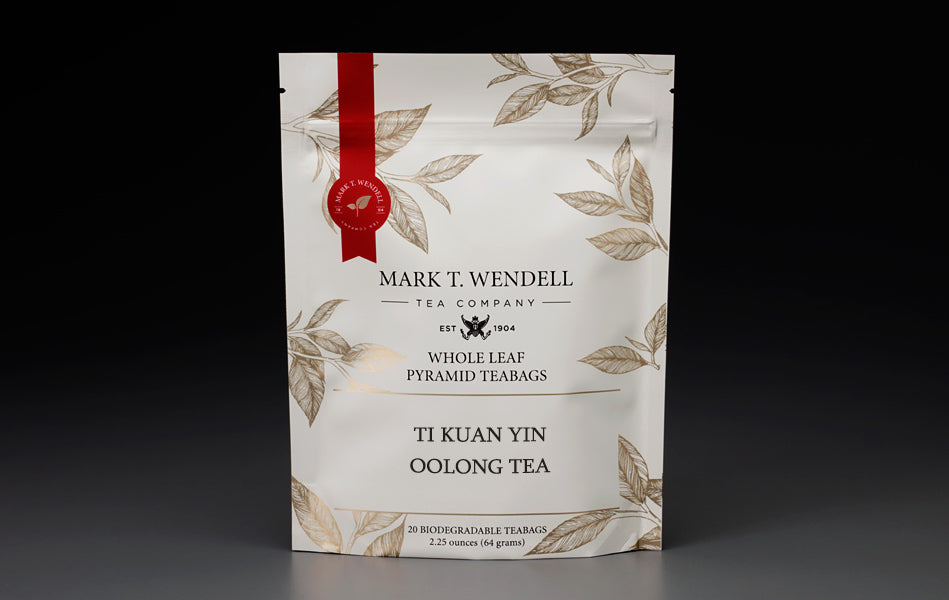
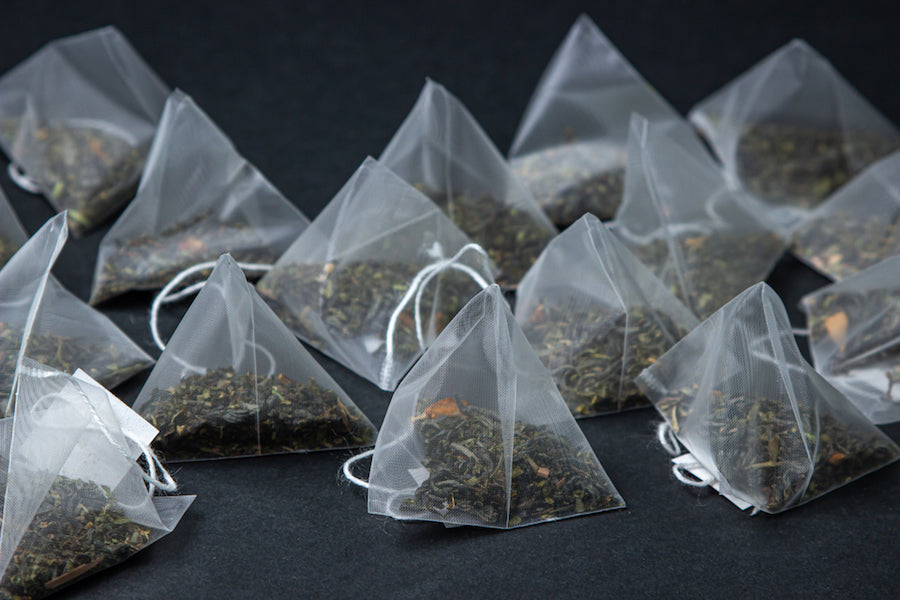
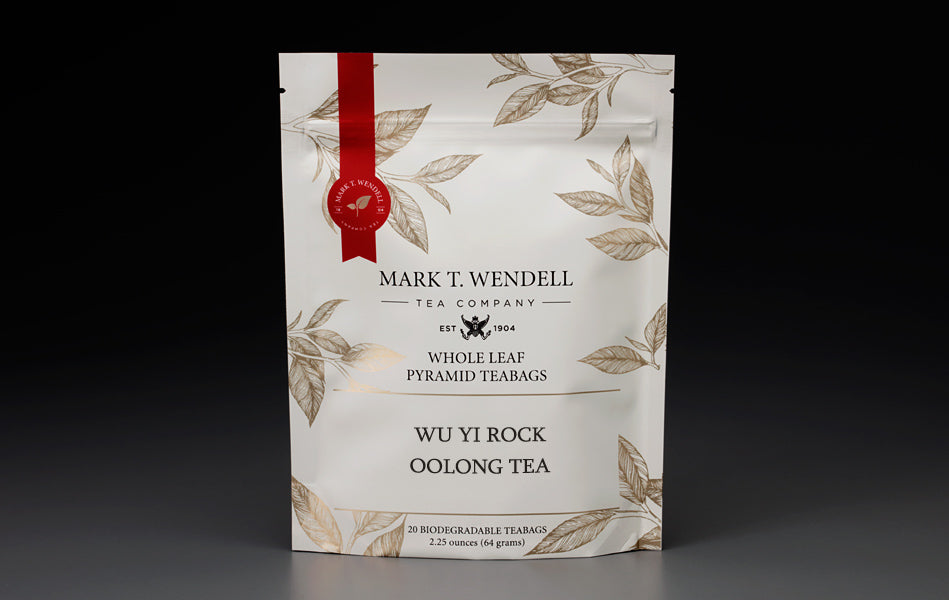
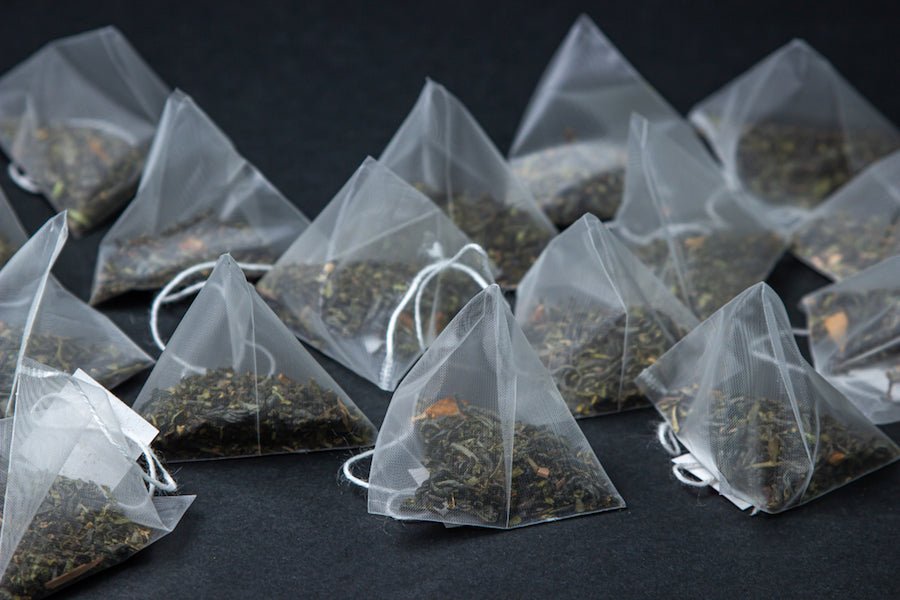
Yes. Oolong tea bags are a convenient choice for work because they eliminate the need to measure loose leaves or use a separate infuser. Mark T. Wendell's whole leaf pyramid bags also give the leaves room to unfurl and allow water to circulate around them, making it easier to prepare a flavorful cup at your desk.
Both Oolong and green tea come from the Camellia sinensis plant, but they are processed differently. Green tea is minimally oxidized, while Oolong tea is partially oxidized, giving it a broader range of flavors. Oolong can have floral, fruity, roasted, or earthy characteristics, while green tea is often fresher, grassy, or vegetal.
Look for whole or larger tea leaves, a clean natural aroma, consistent flavor, and enough room for the leaves to expand during brewing. Mark T. Wendell Company’s Oolong teabags use a pyramid design to give the whole leaves room to unfurl while allowing water to circulate around them.
Our teabags are made from plant-based materials and corn starch. They are 100% biodegradable and easy to compost. They are designed for convenient whole-leaf tea brewing. The pyramid bags use an ultrasonic sealing process, with no glue or staples used to attach the tag, string, or seal the bag.