




5 products
Frequently Asked Questions About Tea Bricks, Cakes & Shapes
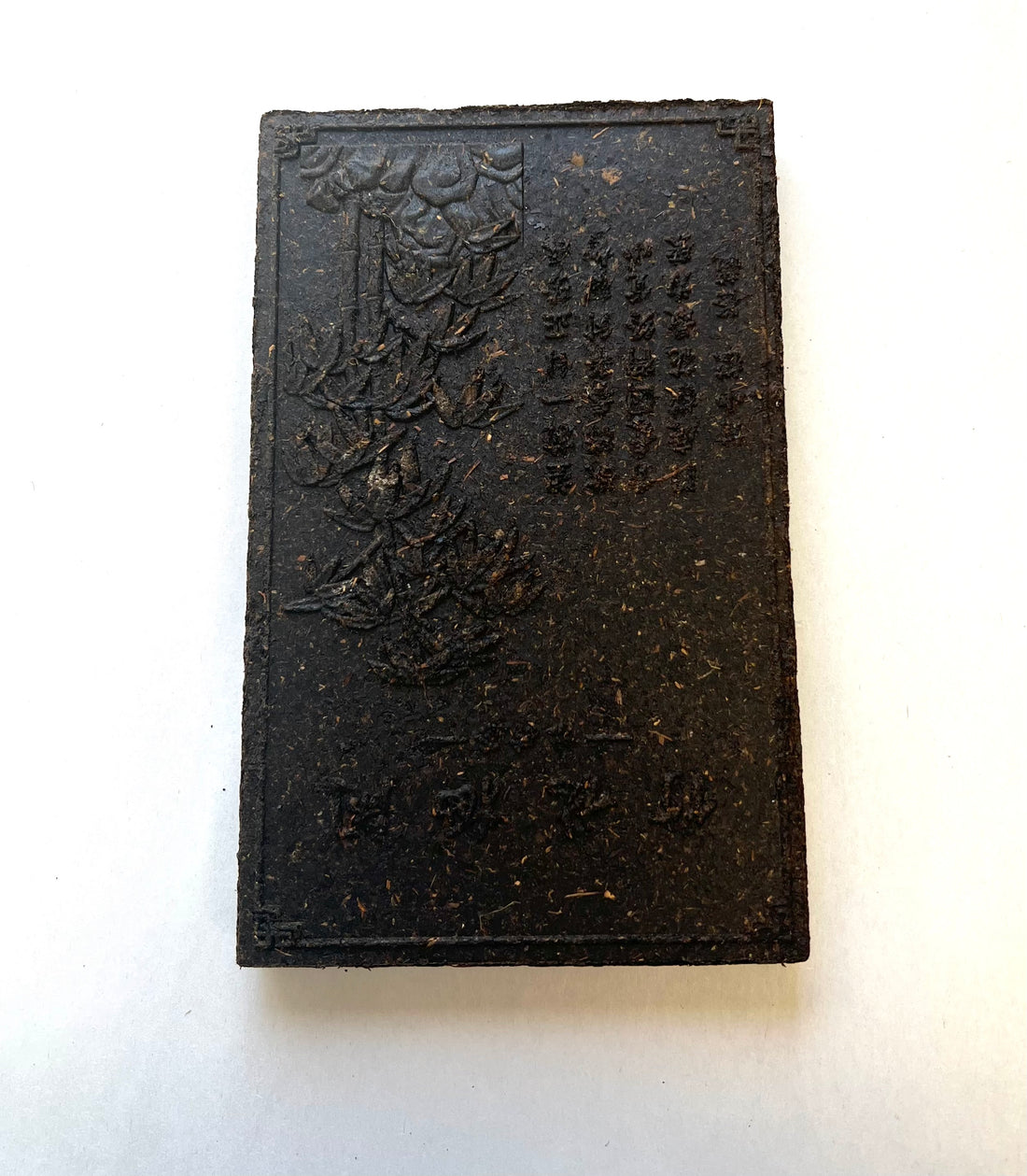
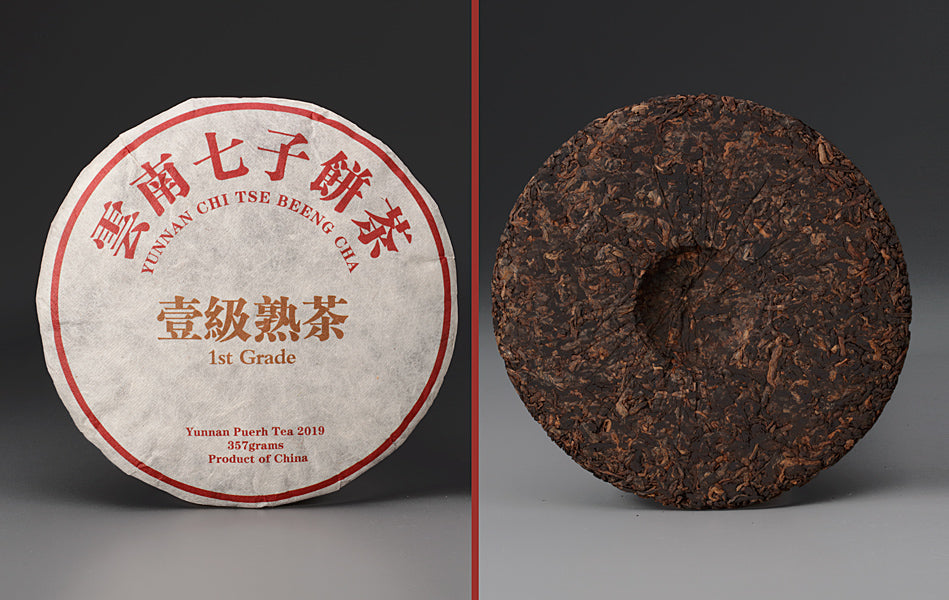
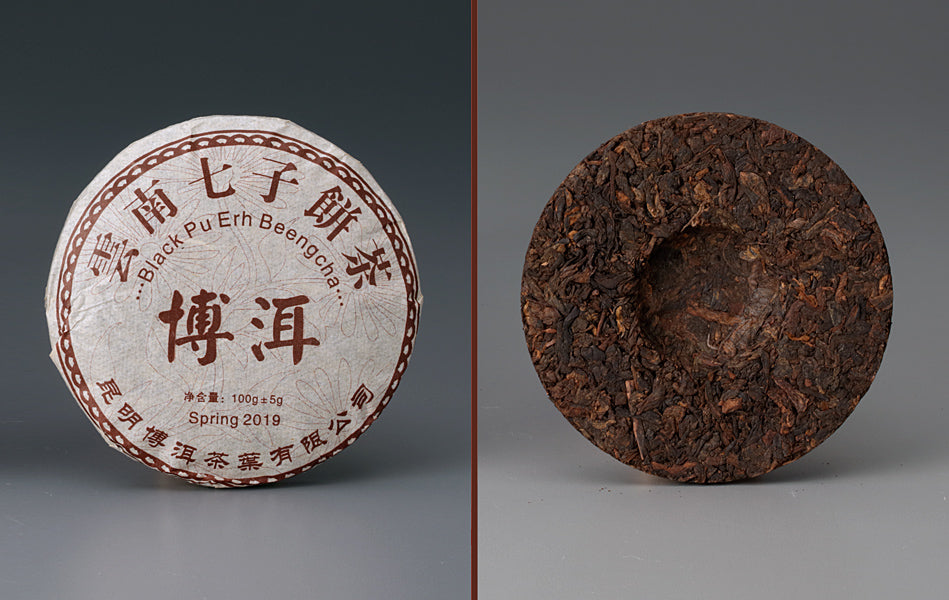
The main difference is their shape. A tea brick is compressed into a rectangular or brick-like form, while a tea cake is typically pressed into a round, flat shape. Both formats are made by compressing Pu-erh tea leaves and can make storage and handling more convenient. Mark T. Wendell Tea Company’s offerings include both Yunnan Tea Brick and Pu-erh Beeng Cha Cakes.
A small, sturdy tea knife or similar small utensil is a practical choice for breaking off the amount of tea you need. Work gently between the compressed leaves rather than forcing the tool straight through the brick to help preserve the leaves.
You should not brew the whole brick at once. For the Yunnan Tea Brick, we recommend breaking off enough tea to brew and using approximately one rounded teaspoon of loose tea per cup. Breaking off a portion makes it easier to control the strength of each brew and allows you to keep the remaining compressed tea for later use.
Store tea bricks in a sealed or well-protected environment away from moisture and extreme temperatures. For general tea freshness, keeping tea sealed and away from extreme hot or cold temperatures and moisture helps maintain its quality. If you're storing compressed tea specifically for aging, maintaining stable, appropriate conditions is especially important because excessive moisture can encourage mold or unwanted deterioration.
Look for obvious signs of unwanted moisture or mold, such as fuzzy growth, unusual spots, a musty or moldy smell, or significant changes in the tea's appearance. Normal variations in color or a naturally aged aroma shouldn't automatically be mistaken for mold. If a tea brick has clear signs of mold or an unpleasant musty odor, it's safest not to brew or consume it.