


Do you start every morning with a bold English Breakfast, linger over the bright citrus of Earl Grey, or experiment with fruity and floral blends? Your everyday tea habits say a lot about the flavors you love.
Here are eight common tea-drinking habits, each paired with the flavor profile it points to and a tea worth trying next.
1. You Always Reach for a Strong Morning Cup
Your flavor profile: Bold, malty, and full-bodied
If you reach for a strong cup of tea before the day gets going, you're probably drawn to bold, full-bodied flavors. Black teas are a natural fit, with tasting notes that can include malt, dried fruit, wood, and gentle spice.
English Breakfast is the classic morning cup. Rich and hearty, it holds up beautifully to a splash of milk, and it's just as satisfying plain.
Want it stronger? Add more leaves rather than steeping longer. A longer steep brings out bitterness before it adds body.
Tea to try: English Breakfast
Brewing tip: Use 1 teaspoon of loose-leaf tea per 8 oz cup and water just off the boil (200–212°F). Steep for 3–5 minutes. For a bolder cup, use 1½ teaspoons instead of extending the steep time.


2. You Love Fragrant, Citrusy Aromas
Your flavor profile: Bright, aromatic, and balanced
Do you notice a tea's aroma before you even take your first sip? If citrusy, fragrant notes catch your attention, scented teas may be right up your alley. They pair a traditional tea base with aromatic ingredients for a memorable cup.
Earl Grey is the best-known example. Traditionally made with black tea flavored with bergamot, a fragrant citrus fruit, it combines a brisk, clean tea character with a fresh citrus aroma.
Enjoy it hot or iced, with a simple breakfast or an afternoon snack. No elaborate preparation required.
Tea to try: Earl Grey
Brewing tip: Use 1 teaspoon per 8 oz cup and water at 200–208°F. Steep for 3–4 minutes; a slightly shorter steep keeps the finish smooth. Let the cup cool for a minute or two before sipping, when the bergamot and tea notes are easier to tell apart. For iced Earl Grey, brew it double strength (2 teaspoons per 8 oz) and pour over ice.


3. You Prefer Fresh, Lighter Flavors
Your flavor profile: Fresh, vegetal and gently astringent
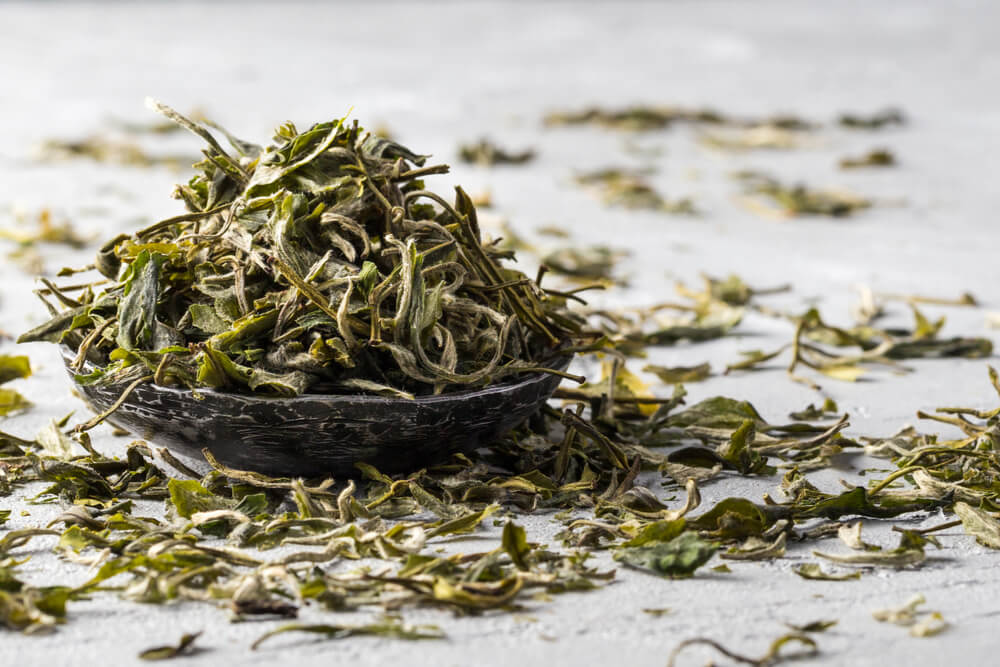
Prefer a lighter cup with clean, fresh flavors? Green tea may be a great match. Its processing preserves a fresh, vegetal character that ranges from grassy and nutty to floral and subtly sweet, with gentle fruity notes in some styles.
Organic Chun Mee Green is worth a try if you enjoy a distinctive green tea with a smooth aroma and plum-like flavor notes.
Green tea is especially sensitive to brewing temperature. Water that's too hot or a steep that's too long can bring out bitterness and astringency, that dry, puckery feeling in the mouth.
Tea to try: Organic Chun Mee Green
Brewing tip: Use 1 teaspoon per 8 oz cup and water at 160–180°F. Steep for 2–3 minutes, then adjust to taste. No thermometer? Let boiled water rest for about three minutes before pouring. If the package gives different directions, follow those.

4. You Enjoy Bold, Smoky Flavors
Your flavor profile: Smoky, deep and distinctive
Do you want a tea with a big personality rather than an ordinary everyday brew? Lapsang Souchong style black teas offer distinctive smoky aromas and lingering flavor that set them apart from traditional black teas.
Hu-Kwa Tea is known for its smoky character from the pine fires that it is fired over. It is a great pick if you want something more unusual than a conventional breakfast tea.
Lapsang Souchong teas are best enjoyed on their own, so the aroma can take center stage. If you're new to the style, start with a shorter steep and build from there.
Tea to try: Hu-Kwa Tea


5. You Look for Fruity and Floral Notes
Your flavor profile: Fruity, fragrant, and layered
Love drinks that combine fruity sweetness, floral aromas, and a hint of tang? A fruit-forward herbal infusion may be just what you're looking for.
African Sunset Herbal Tisane brings together rooibos, blood orange, hibiscus, rose hips, and vanilla notes. The result moves from fruity and tangy to gently sweet and aromatic.
Rooibos comes from a South African plant rather than Camellia sinensis, the plant behind true teas, which is why rooibos blends are called herbal infusions, or tisanes. Pure rooibos is naturally caffeine-free, though it's always worth checking the ingredients in a blend.
Enjoy it hot or chilled, depending on your mood.
Tea to try: African Sunset Herbal Tisane
Brewing tip: Use 1–2 teaspoons per 8 oz cup and boiling water (212°F). Steep for 5–7 minutes. Rooibos is forgiving, but hibiscus can turn tart with longer steeps, so taste at 5 minutes. For iced tea, brew double strength and pour over ice, or cold brew in the refrigerator for 8–12 hours.


6. You Like Experimenting with Familiar Flavors
Your flavor profile: Curious, balanced and versatile
Enjoy familiar flavors but like giving them a new twist? Blended teas let you experiment without straying too far from the tastes you already love.
Organic Green Earl Grey pairs green tea with bergamot, bringing together the fresh character of green tea and the recognizable citrus aroma of Earl Grey.
It also shows something fun about tea: the same ingredient can taste different depending on the tea beneath it. Bergamot over black tea feels brisk and bold, while bergamot over green tea feels lighter and brighter, because the underlying flavor, texture, and astringency are different.
Tea to try: Organic Green Earl Grey
Brewing tip: Use 1 teaspoon per 8 oz cup and water at 170–180°F, cooler than you'd use for a black Earl Grey. Steep for 2–3 minutes. The lower temperature protects the green tea's delicate character.


7. You Prefer Iced Tea Over Hot Tea
Your flavor profile: Refreshing, smooth, and adaptable
Prefer your tea chilled rather than steaming hot? Iced tea is perfect for warm afternoons, relaxed weekends, or any time you want a cool alternative to your usual cup.
A blend made for iced tea is a great starting point, because it's chosen to taste refreshing when served cold. Brisk black tea bases, such as Ceylon, hold up especially well to ice. Tropicana Iced Tea Blend is a loose-leaf option to try.
There are two common ways to make iced tea. Hot brewing followed by chilling is faster, while cold brewing in the refrigerator tends to give a gentler, smoother flavor because the tea extracts more slowly.
Tea to try: Tropicana Iced Tea Blend
Brewing tip: Hot method: use 2 teaspoons per 8 oz of hot water (200–212°F), steep for 4–5 minutes, then pour over a full glass of ice. The extra leaf makes up for the ice that melts. Cold method: use 1 teaspoon per 8 oz of cold water and refrigerate for 8–12 hours. Keep prepared tea covered in the refrigerator and enjoy it within 48 hours.


8. You Enjoy Discovering Unusual Tea Styles
Your flavor profile: Complex, earthy, and evolving
Always curious about what's in your next cup? Specialty teas offer distinctive aromas, earthy flavors, and brewing traditions beyond your everyday favorites. Pu-erh is a great place to start if you enjoy exploring teas with more complex character.
Pu-erh comes from China's Yunnan region and is known for its distinctive processing and its earthy, woody, mellow flavors. Some pu-erh undergoes microbial fermentation and aging, which sets it apart from most other teas.
There are two main styles. Raw (sheng) pu-erh is aged naturally over time and tends to be brisker and more complex when young, mellowing as it ages. Ripe (shou) pu-erh goes through an accelerated fermentation, giving it a dark, smooth, earthy cup.
Pu-erh also comes in different forms, including compressed cakes and small nests called tuo cha. Shape, processing, storage, and age all influence the finished cup, which makes pu-erh a wonderful way to learn how much a tea's flavor depends on more than where it was grown.
Tea to try: Pu-erh Tuocha
Brewing tip: Break compressed tea into small pieces and use 1 teaspoon per 8 oz cup with water at 205–212°F. Many pu-erhs benefit from a quick rinse: pour hot water over the leaves, then discard it after about 5–10 seconds. For the first steep, try 30 seconds to 1 minute, adding 15–30 seconds with each re-steep. Many pu-erhs can be steeped five times or more. Or keep it simple with a single 3–5 minute steep.


How to Find Your Personal Tea Flavor Profile
You don't need to be a tea expert to know what you enjoy. Pay attention to a few simple details each time you brew a cup, rather than relying on tea names alone:
- Aroma: Notice whether you're drawn to citrus, floral, grassy, toasted, or smoky notes.
- Body: Decide whether you like a light, delicate cup or a fuller, more substantial brew.
- Taste: Pay attention to sweetness, bitterness, and astringency, the drying sensation in the mouth.
- Brewing method: Adjust the water temperature, steeping time, and amount of tea to see how each change affects the flavor.
- Personal notes: Jot down the teas you try and what you like about each one. Over time, you'll start to recognize your favorite flavor characteristics.
When planning a wholesale assortment, consider your menu, customer preferences, preparation requirements, and expected demand before choosing quantities.
Frequently Asked Questions About Tea Preferences
1. How do I know which tea flavor is right for me?
Start with the flavors you already enjoy. Choose black tea for a fuller profile, green tea for fresh and vegetal notes, scented tea for aromatic complexity, or herbal infusions for fruit-forward and floral combinations. Taste different styles and write down what you like.
2. Is green tea stronger than black tea?
It depends on what you mean by "stronger." For flavor, black tea usually tastes fuller and more robust, while green tea tends to taste lighter and fresher. For caffeine, black tea typically contains more than green tea, but the amount varies with the tea variety, leaf quantity, brewing time, and water temperature.
3. Why does my tea sometimes taste bitter?
Bitterness usually comes from steeping too long, using water that's too hot for the tea, or using too much leaf for the amount of water. Green tea is especially sensitive. Try lowering the temperature, shortening the steep, or measuring your leaf more carefully.
4. What is the difference between tea and herbal tea?
True tea comes from the Camellia sinensis plant, which produces black, green, white, oolong, and pu-erh teas through different processing methods. Herbal teas, more precisely called tisanes, are infusions made from other plants, flowers, fruits, roots, or spices. Their caffeine content depends on their ingredients.
5. How much tea should I use per cup?
A good starting point is 1 teaspoon of loose-leaf tea per 8 oz cup. Use a little more for a bolder cup, and about double for iced tea brewed hot over ice. Adjust the amount before you adjust the steeping time.
6. How should I store loose-leaf tea?
Keep it in an airtight, opaque container in a cool, dark place, away from heat, light, moisture, and strong odors. Most loose-leaf teas are best enjoyed within about a year of purchase, though pu-erh is a notable exception and is often kept to age.
Final Thoughts: Your Tea Habits Are a Starting Point
Your tea habits offer useful clues about the flavors you enjoy, but your preferences can shift with the season, the time of day, and the occasion.
A drinker who loves a strong English Breakfast in the morning might reach for a delicate green tea later in the day, or a fruity herbal infusion over ice in summer. Trying different origins, processing styles, and aromatic blends is one of the simplest ways to deepen your appreciation of tea.
The most useful question isn't whether you're a traditionalist or an adventurous drinker. It's which flavors make each cup enjoyable to you.
Start with a familiar favorite, try one new tea style, and let your own taste guide your next cup.
Ready to find your next favorite cup? Browse our full collection of loose-leaf teas and start with the one that sounds most like you.