

As winter fades, many people begin craving lighter flavors and refreshing daily rituals. Longer days and warmer sunlight often inspire small lifestyle resets. A cup of green tea fits naturally into this seasonal transition, making it an ideal spring beverage. Its bright flavor and gentle energy feel perfectly aligned with the sense of renewal that spring brings.
Historically, spring has been the most celebrated season in tea-growing regions. The earliest leaves of the year are often the most delicate and flavorful. These young leaves develop slowly during the cooler months, allowing them to build natural sweetness and aromatic complexity. When brewed, they produce a cup that feels fresh, lively, and clean.
Spring also invites slower moments. Whether it’s a quiet morning on the porch or a short afternoon pause, green tea offers a calming ritual. Its subtle aroma and soft flavor create a simple way to reconnect with the season and start a refreshed routine.
What Makes Green Tea So Refreshing
Green tea’s distinctive freshness comes from its processing. Soon after harvesting, tea leaves are gently heated to stop oxidation. This step preserves their natural green color and delicate flavor compounds.
Because of this careful handling, green tea often presents light vegetal notes, soft sweetness, and a crisp finish. These qualities create a clean taste that feels both refreshing and energizing. During spring, when many people seek lighter beverages, green tea provides a natural alternative to heavier drinks.
Another reason green tea feels refreshing is its naturally balanced energy profile. It contains caffeine and L-theanine, an amino acid known for promoting calm focus. Together, these compounds offer steady alertness without the sharp spikes often associated with stronger caffeinated beverages. This gentle lift makes green tea suitable for many parts of the day. A morning cup can ease you into the day, while afternoon infusions can provide clarity without overstimulation.

The Craft Behind Premium Loose-Leaf Green Tea
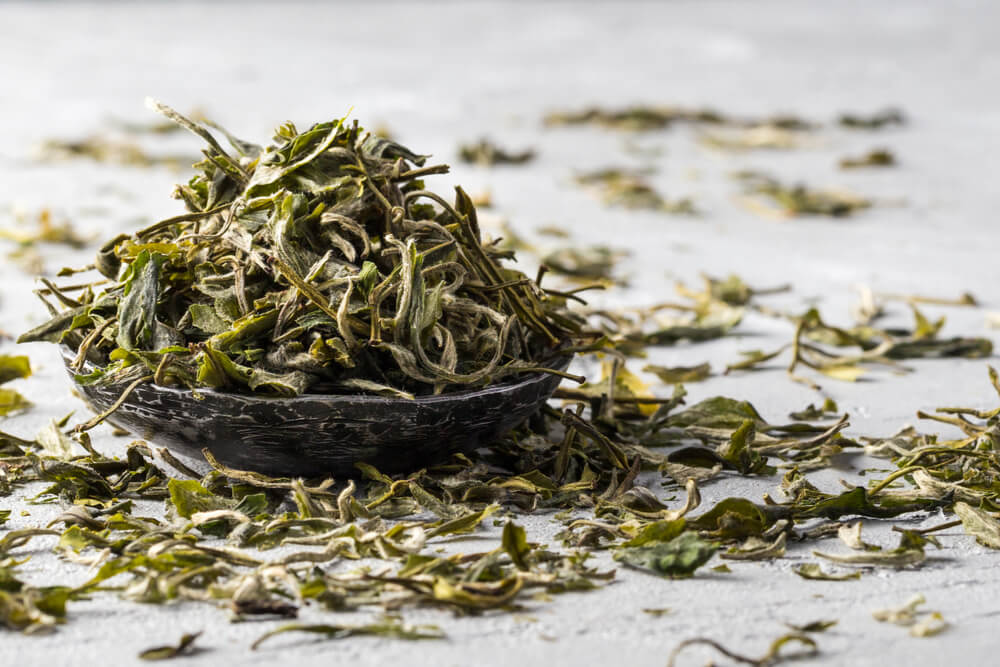
Every cup of quality tea begins with careful cultivation and skilled craftsmanship. Green tea producers focus on preserving the freshness of the leaf from harvest to drying.
Tea pickers typically harvest the youngest leaves and buds from the top of the plant. These contain the most concentrated flavors and nutrients. Once collected, the leaves move quickly into processing to prevent natural oxidation.
Traditional green tea production typically includes several key steps:
-
Withering: Leaves rest briefly to reduce moisture.
-
Heat treatment: Pan-firing or steaming halts oxidation.
-
Rolling: Leaves are gently shaped, helping release natural aromatic oils.
-
Drying: Final drying prepares the tea for storage.
Each step influences the final taste and aroma. Readers interested in the full journey from leaf to cup can explore Mark T. Wendell Tea Company's detailed guide on How Teas Are Produced.
Understanding these techniques helps explain why loose-leaf tea often delivers richer flavor. The leaves remain intact, allowing their natural oils and aromas to unfold gradually during brewing.
Bright and Lively: Green Paradise Blend
Spring flavors often lean toward brightness and gentle sweetness. Green Paradise Blend captures this spirit by pairing green tea with vibrant fruit notes.
The blend begins with a smooth green tea base that provides light vegetal freshness. Fruit accents add aroma and a soft, natural sweetness, creating a balanced and uplifting cup. The flavors remain light and refreshing rather than overly sugary, making the tea easy to enjoy throughout the day.
Green Paradise Blend works particularly well during daytime breaks. Its lively character can brighten a mid-morning pause or provide a refreshing afternoon reset. The tea also pairs beautifully with spring dishes such as fruit salads, yogurt bowls, or delicate pastries.
Soft and Comforting: Vanilla Green Tea
Some green teas highlight bright vegetal notes, while others introduce warm, comforting flavors. Vanilla Green Tea offers a gentle balance between freshness and sweetness.
Vanilla naturally softens the sharper edges of green tea. Its creamy aroma adds depth without overwhelming the delicate base tea. The result is a cup that feels soothing while still maintaining the lightness associated with green tea.
Many tea drinkers enjoy Vanilla Green Tea during quieter moments of the day. An afternoon break or a quiet evening cup allows the warm aroma to unfold gradually. The flavor pairs nicely with light desserts, oatmeal with fruit, or almond biscuits.
This blend also appeals to those transitioning from coffee or dessert-style beverages. The vanilla note provides familiarity, while the green tea base introduces a lighter and more refreshing experience.
China Jasmine: A Floral Classic for Spring
Few teas capture the elegance of spring quite like jasmine green tea. The delicate floral aroma feels naturally connected to blooming gardens and fresh air. China Jasmine Tea offers a timeless example of this traditional style.
Authentic Chinese jasmine tea is traditionally created through a meticulous scenting process. Fresh jasmine blossoms are layered with green tea leaves, allowing the tea to absorb the flower’s fragrance. Once the blossoms are removed, the tea retains its gentle perfume. This scenting process may be repeated several times to achieve the desired aromatic balance.
The result is a beautifully layered cup. The green tea base provides clean vegetal notes, while jasmine contributes a soft floral sweetness. Together, they create a soothing and aromatic experience that feels especially fitting in spring.
China Jasmine tea works well in quiet moments of reflection, such as early mornings or relaxed evenings. Its light fragrance pairs nicely with simple foods like steamed rice dishes, fruit, or delicate pastries.

Brewing Green Tea for Fresh Flavor
Proper brewing plays an important role in the final taste of green tea. Because the leaves are delicate, water temperature and steeping time should be carefully controlled.
Most green teas brew best between 160°F and 180°F (70–80°C). Water that is too hot can draw out bitterness, while cooler water preserves the tea’s natural sweetness and aroma.
A simple brewing approach includes:
-
Heat fresh water until it reaches just below boiling.
-
Add one teaspoon of loose tea per cup.
-
Steep for two to three minutes.
-
Taste and adjust steep time if needed.
Using filtered water and giving the leaves room to expand can also improve flavor. For more detailed guidance, visit the Mark T. Wendell Brewing Tips page. With a little attention to these details, each cup can reveal the tea’s full character.
In Conclusion
Spring invites simple, refreshing changes, from lighter foods to mindful routines. Adding green tea, especially from a thoughtfully curated Spring Tea Collection, is an easy way to enjoy fresh, floral flavors while bringing balance and renewal to your day.
Whether you prefer the bright fruit notes of Green Paradise Blend, the gentle sweetness of Vanilla Green Tea, or the floral elegance of China Jasmine, each cup offers a refreshing moment in the day. The leaves unfold, aromas rise, and time slows briefly.
Tea has always been more than a beverage. It reflects centuries of cultivation, craftsmanship, and cultural tradition. Exploring different green teas this season can deepen appreciation for the subtle beauty found in every leaf.
For those curious to learn more, the Mark T. Wendell Tea Company blog continues to share stories, brewing knowledge, and insights that help make every cup more meaningful.