


Tea is one of the most widely enjoyed beverages in the world, appreciated for its flavor, aroma, and role in daily rituals across cultures. Whether you’re a casual tea drinker, a café owner, or sourcing tea for retail or wholesale, one question often comes up:
Loose-leaf tea vs. bagged tea — what’s the real difference, and which should you choose?
The answer depends on your priorities, including convenience, flavor preferences, brewing style, and budget. In this guide, we’ll explore how the two formats compare in taste, quality, value, and preparation — along with practical brewing tips to help you get the best results from either option.
In this guide, we’ll look at how different teas taste, what affects their quality, how to brew them properly, and what to consider when buying—whether you enjoy tea at home, run a café, or buy from a wholesale tea supplier.
Understanding the Difference: Loose-Leaf Tea vs. Bagged Tea

Both loose-leaf and bagged tea come from the same plant, Camellia sinensis. The primary differences come down to leaf size, processing methods, and how the tea is brewed.
Loose-Leaf Tea |
Bagged Tea |
|---|---|
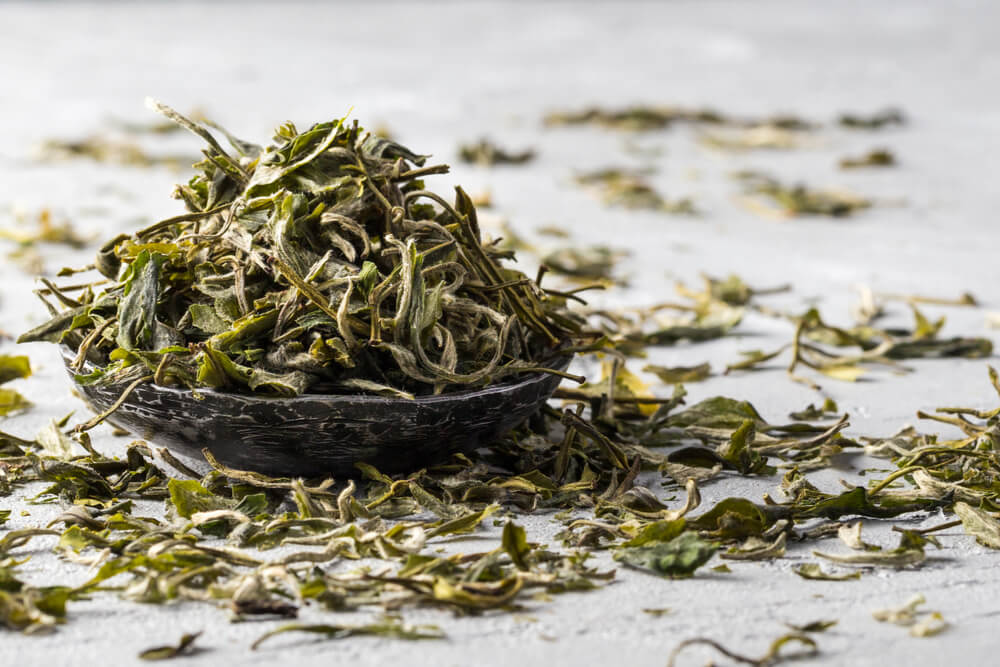
| Loose-leaf tea consists of whole or partially intact tea leaves sold without individual packaging. During brewing, the leaves expand fully in water, allowing flavors and aromas to develop gradually. | Bagged tea contains tea portions enclosed in paper or fabric sachets for quick and convenient preparation. Many tea bags use smaller leaf particles designed to infuse quickly. |
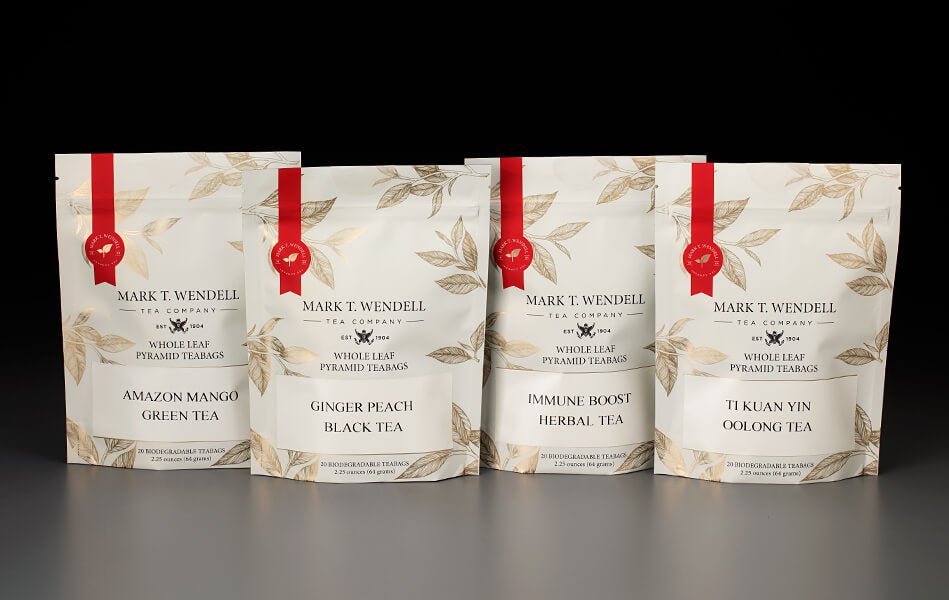
| Commonly chosen by tea enthusiasts and specialty cafés because it offers flexibility in brewing strength and flavor control. | Popular for everyday use and on-the-go brewing due to its convenience and fast preparation. Modern tea bags range from basic single-serve options to premium pyramid sachets that allow more room for leaf expansion. |
Key Quality Factors to Consider
Rather than one format being universally “better,” quality often depends on sourcing, processing, and storage practices.
Leaf Grade
Loose-leaf teas frequently include larger leaf pieces, while tea bags commonly contain smaller particles that brew faster. Smaller leaves can produce a stronger infusion quickly, while larger leaves may create more layered flavor development over time.
Freshness
Tea quality is influenced by factors such as harvest timing, packaging, and storage conditions. Reputable suppliers typically focus on consistent sourcing and proper handling to help maintain flavor and aroma.
Ingredients & Flavoring
Some teas both loose and bagged may include added flavors, herbs, or botanicals depending on the blend. Checking ingredient transparency and origin labeling can help buyers understand what they are purchasing.
Cost & Value: Which Offers More?
At first glance, loose-leaf tea can appear more expensive than tea bags. However, overall value depends on how the tea is used.
Loose-leaf tea may offer advantages such as:
-
Adjustable serving size based on preference
-
The ability to steep certain teas multiple times
-
Greater flexibility for cafés and foodservice applications
Tea bags, on the other hand, provide:
-
Consistency per serving
-
Minimal preparation equipment
-
Faster brewing for high-volume or convenience settings
For businesses such as cafés, restaurants, or retailers, purchasing tea in bulk quantities may help balance quality and cost efficiency regardless of format.
Brewing Tips for the Perfect Cup
Regardless of tea type, brewing technique plays a major role in flavor outcome. The guidelines below are commonly recommended starting points.
Step |
Loose-Leaf Tea |
Bagged Tea |
|---|---|---|
Tea Amount |
About 1 teaspoon per 8 oz cup | 1 tea bag per cup |
Water Temperature |
Black tea: ~200–212°F Green tea: ~160–180°F |
Near-boiling water unless package suggests otherwise |
Steeping Time |
Typically 2–5 minutes depending on tea type | Follow package directions |
Brewing Tools |
Infuser, teapot, or French press | Cup or mug |
Extra Tip |
Avoid over-steeping to reduce bitterness | Avoid squeezing the bag to prevent harsh flavors |
Note: Brewing preferences vary, and adjusting time or temperature can help match personal taste.
Learn More About Brewing Techniques
If you’d like to explore brewing variables in greater detail — including tea types, infusion methods, and consistency tips used by cafés and tea houses — consider reviewing a dedicated guide to brewing the perfect cup of tea. Understanding brewing fundamentals can significantly improve flavor regardless of tea format.
What About Decaffeinated Tea?
Decaffeinated tea is a popular choice for those seeking reduced caffeine while still enjoying traditional tea flavors.
Decaffeination methods vary across manufacturers and may include carbon dioxide (CO₂), water-based, or other processing techniques. Each method can influence flavor retention differently, which is why taste and aroma may vary between products.
Both loose-leaf and bagged teas are available in decaffeinated options, and choosing between them often comes down to brewing preference and quality sourcing.
Choosing a Quality Tea Supplier or Brand
When evaluating tea options — especially for cafés, hospitality businesses, or retail programs — consider factors such as:
-
Clear origin or sourcing information
-
Ingredient transparency
-
Consistent product availability
-
Packaging that supports freshness
-
Availability in bulk or wholesale quantities
Working with experienced suppliers can help ensure consistency and scalability as tea programs grow.
Loose-Leaf vs. Bagged Tea: Which Is Right for You?
Each format serves a different purpose:
Loose-leaf tea may be ideal if you:
-
Enjoy exploring flavor nuances
-
Prefer customizable brewing
-
Serve tea in a café or specialty setting
Bagged tea may be ideal if you:
-
Value speed and convenience
-
Want consistent single servings
-
Need a practical everyday option
Ultimately, the best choice depends on how and when you enjoy tea.
Final Thoughts
Loose-leaf and bagged teas both play an important role in today’s tea culture. While loose-leaf tea is often associated with flexibility and flavor exploration, tea bags remain a reliable and convenient solution for many households and businesses.
By understanding how leaf size, sourcing, and brewing techniques influence the final cup, you can choose the option that best fits your taste preferences and lifestyle.
Ready to elevate your tea experience? Start with loose-leaf—and taste the difference in every cup.
Frequently Asked Questions About Loose-Leaf vs. Bagged Tea
Is loose-leaf tea healthier than bagged tea?
Both loose-leaf and bagged tea can be part of a balanced lifestyle. The overall experience depends more on tea quality, ingredients, and preparation methods than on format alone. Choosing teas with clear ingredient labeling and proper brewing practices can help ensure the best flavor and consistency.
Does loose-leaf tea taste better than tea bags?
Many tea drinkers find that loose-leaf tea offers more layered flavors because larger leaves have more room to expand during brewing. However, taste is subjective, and high-quality tea bags can also produce an enjoyable cup depending on sourcing and brewing technique.
Why is loose-leaf tea sometimes more expensive?
Loose-leaf tea may have a higher upfront cost due to leaf size, sourcing practices, and packaging methods. In some cases, the leaves can be steeped more than once, which may balance cost per serving over time.
Are tea bags lower quality than loose-leaf tea?
Not necessarily. Tea quality varies widely across both formats. Traditional tea bags often use smaller leaf particles for faster brewing, while newer pyramid or sachet-style bags may contain larger leaf pieces designed to improve infusion.
What is the best way to brew loose-leaf tea?
A common starting point is using about one teaspoon of tea per 8 ounces of water and adjusting steeping time based on tea type and personal preference. Using an infuser or teapot allows leaves to expand and helps develop fuller flavor.