


New to loose leaf tea? You're not alone. With so many tea types, flavors, brewing methods, and unfamiliar names, choosing your first tea can feel overwhelming. The good news is that getting started is much easier than it looks. You only need a few basics: the right tea, fresh water, a simple infuser, and a little curiosity.
Loose leaf tea is simply tea that isn't confined to a traditional tea bag. Because the leaves have room to expand in water, you can see, smell, and taste how they develop during brewing, while adjusting the strength to suit your taste.
For centuries, tea makers have refined the relationship between leaf, water, time, and temperature. Today, beginners can enjoy that tradition without needing complicated equipment. With a few basic tools and some curiosity, your daily cup can become a much richer experience.
1. What Is Loose Leaf Tea and Why Try It?
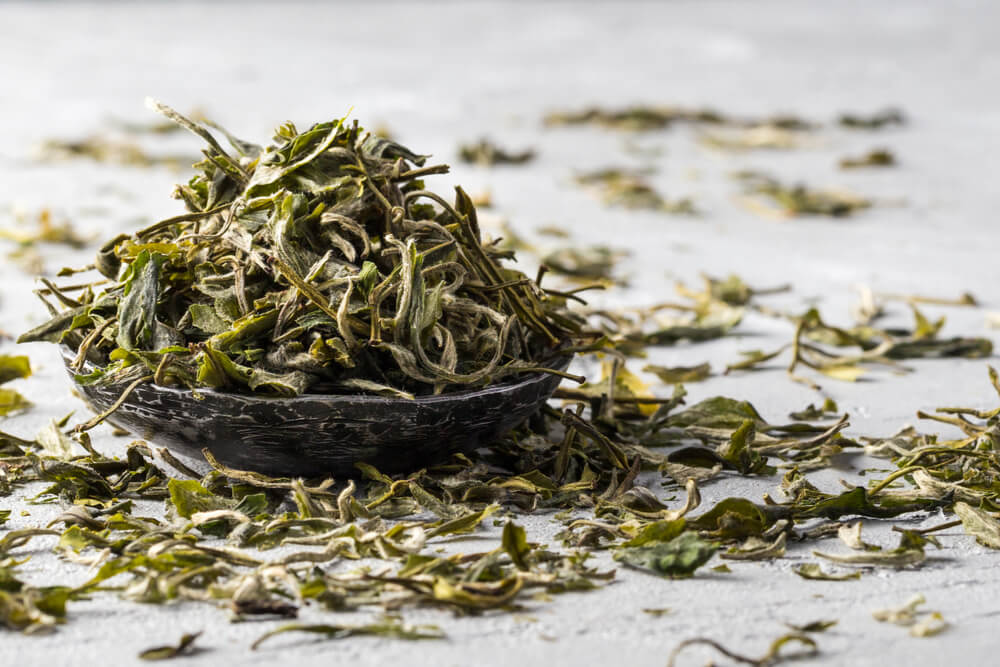
The biggest difference is simple: the leaves have room to move. Tea bags often contain smaller leaf particles because the tea must fit inside a compact filter, while loose leaf tea can include larger leaves, rolled leaves, buds, or carefully blended ingredients.
This difference affects the brewing experience. As the leaves absorb water, they open and release their aromas and flavors, letting you observe the tea as it changes from dry leaf to finished infusion. It also makes loose leaf brewing feel more connected to traditional tea preparation.
There's another important advantage: control. With loose leaf tea, you can adjust the amount of leaf, water temperature, and steeping time — making a lighter morning cup or a fuller afternoon brew without changing the tea itself.
You also don't need an elaborate tea ceremony to begin. A simple infuser basket, mug, kettle, and strainer are enough. In fact, keeping your setup simple can help you focus on learning how the tea behaves.

2. Start With the Main Tea Types
One of the first questions beginners ask is, “Which tea should I try?” The answer depends largely on the flavors you enjoy. Most traditional teas come from the Camellia sinensis plant. What separates them is largely how the leaves are processed after harvesting.
For example, oxidation plays a major role in creating different tea styles. Green tea is generally minimally oxidized, while black tea undergoes much more oxidation. Oolong sits between the two, although its production can vary considerably. White tea is made using relatively gentle processing methods.
Here is a simple starting point:
- Black tea: Rich, bold, malty, fruity, or brisk.
- Green tea: Fresh, vegetal, grassy, nutty, or lightly sweet.
- Oolong tea: Floral, creamy, fruity, roasted, or mineral-like.
- White tea: Delicate, soft, floral, and naturally subtle.
- Scented tea: Tea leaves combined with flowers, spices, fruit, or other aromatic ingredients.
Beginners who enjoy coffee often appreciate the fuller character of black tea. Those who prefer fresh and lighter flavors may enjoy green or white tea. Oolong is especially interesting for anyone who wants to experience a broad range of aromas.
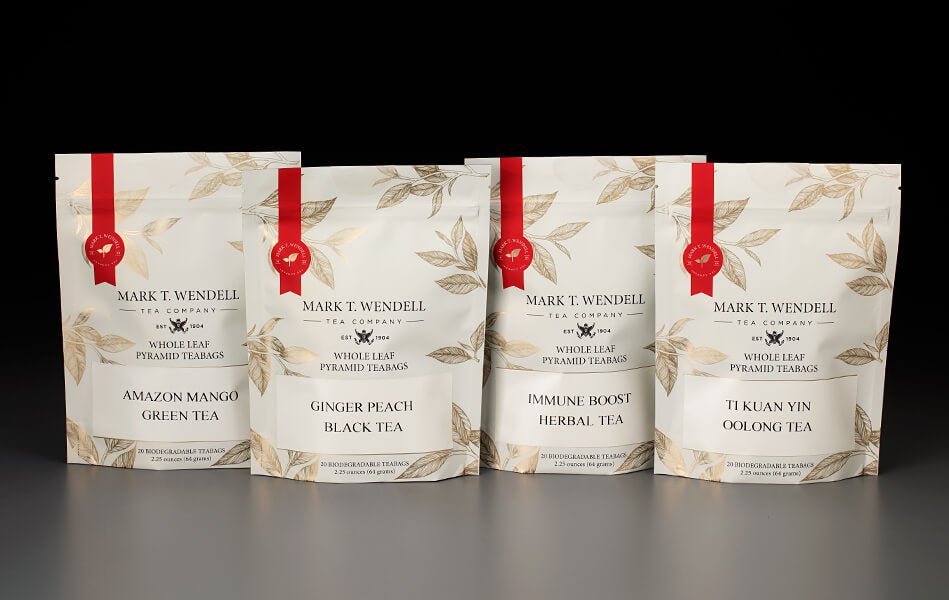
Once you understand the basic tea types, choosing your first tea becomes much easier. Mark T. Wendell Tea Company offers more than 110 loose leaf teas across black, green, oolong, white, herbal, fruit, and blended selections, giving beginners plenty of options to find a style that suits their taste.
Ready to start tasting? Browse Mark T. Wendell Tea Company’s black, green, oolong, and white tea varieties, or start with a loose leaf tea sampler if you want to compare several styles before choosing a favorite. If you're not sure where to begin, think about the flavors you already enjoy — choosing your first loose leaf tea doesn't have to be complicated.
- Prefer bold, familiar flavors? Start with black tea.
- Enjoy fresh, lighter flavors? Try green tea.
- Like floral or complex flavors? Oolong is a great choice.
- Prefer something delicate and subtle? Consider white tea.
- Enjoy familiar flavored teas? Try scented tea.
Can't decide? A tea sampler lets you try several varieties before committing to a larger quantity. Mark T. Wendell offers multiple sampler options, including customizable three-tea samplers and tea-and-filter sampler sets — a great way to explore different teas before finding your favorite.
3. What Equipment Do You Need for Loose Leaf Tea?
You don't need an expensive tea setup to get started. A kettle, mug, and roomy infuser are enough to brew a great cup at home. In fact, a beginner can make an excellent cup with surprisingly little.
The most useful piece of equipment is a roomy infuser basket. Look for one that allows the leaves to expand and lets water move freely around them. Fine stainless-steel mesh can also make straining easier. A small basket that tightly compresses the leaves may limit how well they infuse.
Your basic setup can include:
- A kettle or another reliable source of hot water.
- A mug or small teapot.
- A roomy infuser basket or strainer.
- A teaspoon or small measuring spoon.
- An airtight container for storing your tea.
- A notebook, if you want to record tasting notes.
You can also use equipment you already own. A small strainer and two mugs can work as a simple brewing method. The important point is not the price of the equipment. It is giving the leaves enough space to interact with the water.
Once you're comfortable with the basics, you can experiment with teapots, brew mugs, strainers, and other tea accessories. Mark T. Wendell also offers a selection of brewing accessories for tea drinkers who want to make their setup more convenient.
4. How to Brew Your First Cup
Brewing loose leaf tea is a process of balancing three main variables: leaf quantity, water temperature, and time. The exact combination depends on the tea, so there's no single recipe that works perfectly for every variety.
A useful starting point is around 1.5 teaspoons to 1 tablespoon of loose leaf tea for 8 ounces of water. However, leaf size varies — large leaves take up more volume than small ones — so packaging instructions are a better starting point than a rigid universal measurement.
Water temperature matters as well. Black teas generally handle hotter water, while green and white teas often benefit from cooler temperatures. Because each tea can vary, use the brewing instructions provided for the specific tea as your starting point. Mark T. Wendell Tea Company's product pages include tea-specific guidance — for example, its Darjeeling tea recommends 205–212°F for about three minutes.
Steeping time is just as important. If your tea tastes weak, adding more leaves is often better than simply steeping longer, since extended steeping can increase bitterness and astringency in some teas.
A simple beginner method looks like this:
Step 1: Measure your tea.
Step 2: Heat fresh water to the recommended temperature.
Step 3: Pour the water over the leaves.
Step 4: Start a timer.
Step 5: Remove the leaves when the recommended time ends.
Step 6: Taste the tea before adding anything.
Then make one change at a time: use more leaves for greater intensity, reduce the steeping time if the cup tastes too strong, or lower the water temperature if delicate flavors seem lost.
That small process turns brewing into a learning experience rather than a guessing game.

5. Why Does My Tea Taste Wrong?
If your first cup doesn't taste the way you expected, don't give up — small changes can make a big difference.
- Too bitter? Try a shorter steeping time or slightly cooler water.
- Too weak? Add a little more tea rather than dramatically increasing the steeping time.
- Flavor seems flat? Make sure you're using fresh water and storing your tea properly.
- Leaves seem cramped? Use a larger infuser that gives them room to expand.
Tea brewing is about finding the balance between leaf quantity, water temperature, and steeping time. Once you understand those three variables, adjusting your cup becomes much easier.
6. How Do You Taste Loose Leaf Tea?
You don't need to be a tea expert to learn how to taste tea. Start with what you already notice: the aroma, flavor, texture, sweetness, and finish.
Begin by looking at the dry leaves — their color, shape, and size — then smell them before brewing. Some teas may smell floral or fruity, while others may suggest malt, wood, toast, grass, or spice.
After brewing, notice how the aroma changes. Take a small sip and consider the texture: Is it light or full? Smooth or brisk? Sweet or dry? Does the flavor disappear quickly, or does it linger after swallowing?
Try asking yourself a few simple questions:
- What is the first flavor I notice?
- Does the aroma match the flavor?
- Is the tea light, medium, or full-bodied?
- Is there sweetness or bitterness?
- What flavors remain after the sip?
- Would I prefer this tea hot or iced?
Over time, these observations build your personal tea vocabulary. You may discover that you consistently enjoy floral oolongs, brisk black teas, delicate whites, or aromatic blends.
Scented teas offer another enjoyable path for beginners. They introduce familiar aromas while helping you understand how tea leaves interact with flowers, fruit, spices, and other ingredients. Mark T. Wendell Tea Company’s scented tea collection is a great place to explore how traditional tea can meet more expressive flavor profiles.
7. Choosing Quality: Look Beyond the Label
Once you start buying loose leaf tea, it can be tempting to judge quality by price alone — but price is only one part of the picture.
Instead, look at the information provided about the tea. A reputable tea seller should be able to tell you exactly what type of tea you're buying. Depending on the tea, useful details may include the country or region of origin, harvest information, estate details, processing style, ingredients, or recommended brewing instructions.
Leaf appearance can also offer clues. While it doesn't tell the whole story, whole or carefully processed leaves can reveal something about how the tea was handled. Aroma is another useful indicator — fresh tea should generally have a clean, recognizable fragrance appropriate to its style.
This is where experience and sourcing matter. Mark T. Wendell Tea Company has been an importer of fine teas for over a century, focusing on healthy whole leaf teas, unique blends, herbal and fruit tisanes, and brewing accessories. That experience gives tea drinkers a broad selection to choose from as they develop their own preferences.
8. How Should You Store Loose Leaf Tea?
Tea leaves are remarkably sensitive to their surroundings — air, moisture, heat, light, and strong odors can gradually affect their aroma and freshness.
Store tea in an airtight container away from direct sunlight, somewhere cool and dry. Avoid placing tea beside spices, coffee, or strongly scented foods, since tea can absorb surrounding aromas.
You should also avoid storing tea in a damp area. Steam from a kettle or dishwasher can introduce unwanted moisture, so a dry cupboard is usually a better choice than a shelf directly above your stove.
Here are a few practical storage habits:
- Keep containers tightly sealed.
- Store tea away from sunlight.
- Avoid heat and humidity.
- Keep strongly scented foods at a distance.
- Buy quantities you can enjoy while the tea remains fresh.
- Label teas with their names and purchase dates.
Proper storage is especially important as you begin collecting different varieties — a small tea collection can quickly become confusing without labels.
Good storage also protects the work that happens long before the tea reaches your kitchen. Cultivation, harvesting, processing, blending, and packaging all contribute to the character of the finished leaf.
Your Beginner’s Tea Journey: A Simple Road Map
The easiest way to learn about tea is to taste broadly but systematically. Instead of buying several full-size teas at once, start with three or four styles that offer clear contrasts. A sampler can be an especially convenient way to compare different teas before deciding which ones deserve a permanent place in your tea cupboard.
Next, choose one style that interests you. If you enjoy black tea, try different origins and blends. If green tea appeals to you, compare different processing traditions. If oolong catches your attention, notice how roasting and oxidation can produce dramatically different flavors.
You can create a simple tasting progression:
Week 1: Learn basic brewing.
Week 2: Compare major tea types.
Week 3: Explore different origins or blends.
Week 4: Experiment with water temperature and leaf quantity.
Afterward: Start recording your favorite aromas and flavors.
This approach removes the pressure to understand everything immediately — tea has too much history and variety for that. Instead, each cup becomes another small lesson.
For a heritage-focused tea company such as Mark T. Wendell, that sense of discovery is central to the appreciation of tea. Our selection includes familiar classics alongside teas that introduce drinkers to different regions, traditions, and styles.
Ready to Try Loose Leaf Tea?
If you're still deciding where to start, keep it simple. Choose one tea style that sounds appealing, or try a sampler to compare several varieties side by side.
Start with one tea. Brew it. Taste it. Then try something new.
Browse our Create Your Own Sampler Boxes and create the perfect set of teas to begin your journey..
A Better Cup Begins With Curiosity
Getting started with loose leaf tea doesn't require expensive equipment or years of experience. It starts with choosing a tea that sounds good, learning a simple brewing method, and paying attention to what you enjoy.
You don't need to become a tea expert overnight. Try a black tea, green tea, oolong, white tea, or sampler, and let your preferences develop one cup at a time.
Ready to find your first favorite? Browse Mark T. Wendell Tea Company's Full Range of Tea Offerings and start your tea journey with a cup that suits your taste.
Frequently Asked Questions About Loose Leaf Tea
1. Is loose leaf tea better than teabags?
Loose leaf tea is not automatically better, but it can offer a different and often more flexible brewing experience. Larger leaves have more room to expand in water, allowing you to observe their shape, aroma, and character. Loose leaf tea also gives you greater control over the amount of tea and steeping time.
2. What equipment do I need to make loose leaf tea?
You only need a few basic items to get started. A kettle, mug or teapot, and roomy tea infuser are enough for most beginners. You may also want an airtight container for storage. More specialized equipment can be added later as you become more interested in different brewing traditions.
3. How much loose leaf tea should I use per cup?
A useful starting point is around 1.5 teaspoons to 1 tablespoon of tea for 8 ounces of water. However, the ideal amount depends on the tea and leaf size. Start with the recommended amount on the package, then adjust the quantity based on your preferred strength.
4. What temperature should I use for loose leaf tea?
Water temperature depends on the type of tea. Black teas generally tolerate hotter water, while green and some white teas often benefit from cooler temperatures. Oolong teas can vary widely depending on their style. Following the tea's brewing instructions is the best starting point.
5. How should I store loose leaf tea?
Store loose leaf tea in an airtight container in a cool, dry, dark location. Keep it away from moisture, heat, direct sunlight, and strong odors. Tea can absorb surrounding aromas, so storing it away from spices and strongly scented foods helps preserve its natural character.
6. How can I tell if a loose leaf tea is high quality?
Start by looking for clear information about the tea's ingredients, origin, type, and recommended preparation. The dry leaves should have a clean, appropriate aroma, while the brewed tea should have a balanced flavor and pleasant character. Quality also depends on sourcing, processing, storage, and freshness, so transparency from the tea company is an important consideration.