


Have you ever brewed the same tea twice and wondered why one cup tasted smooth and naturally sweet while the other seemed bitter or flat? The tea may not be the problem at all. In many cases, the difference comes down to one simple factor: water temperature. Understanding how heat affects extraction can help you enjoy better flavor from every cup, whether you're brewing a delicate green tea or a bold breakfast blend.
A great cup of tea begins long before the first sip. The quality of the leaves matters, the freshness of the water matters, and the steeping time certainly matters, but one factor quietly shapes every aspect of the final cup: water temperature.
Understanding how water temperature affects tea flavor is one of the most valuable skills any tea drinker can develop. Whether you're brewing a delicate white tea, a grassy Japanese green tea, a fragrant oolong, or a bold Assam, the temperature of your water determines which flavors, aromas, and natural compounds are extracted from the leaves.
Many tea drinkers assume hotter water simply makes stronger tea, but brewing temperature also affects balance, aroma, and mouthfeel. In reality, brewing is a carefully balanced extraction process. Water that's too cool can leave a tea tasting thin and muted, while water that's too hot can overwhelm the cup with bitterness and harshness. Learning to match the right temperature to each tea style allows the leaf to express its intended character, whether that's floral, sweet, fruity, malty, roasted, or richly earthy.
This tea brewing guide explains the science behind tea extraction, why different teas require different temperatures, and shares practical tea brewing tips that can dramatically improve every cup.
Why Water Temperature Matters More Than Most Tea Drinkers Realize
Tea leaves naturally contain a wide variety of compounds that contribute to aroma, flavor, body, and color during brewing. These compounds do not all extract at the same rate. Water temperature significantly influences which flavor compounds are extracted during brewing, affecting sweetness, aroma, body, and astringency.
The result is that two cups brewed from the same tea can taste remarkably different simply because of the water temperature.
At Mark T. Wendell Tea Company, we've found that even small adjustments to brewing temperature can noticeably change the flavor profile of premium loose-leaf teas. While recommended temperature ranges provide an excellent starting point, experimenting within those ranges allows tea drinkers to discover the balance of sweetness, aroma, and body they enjoy most.
The Major Flavor Compounds in Tea
| Compound | What It Contributes | Best Extraction Range |
|---|---|---|
| Amino acids (especially L-theanine) | Sweetness, umami, smooth body | Lower temperatures (140–175°F / 60–80°C) |
| Volatile aromatic compounds | Floral, fruity, fresh aromas | Moderate temperatures |
| Catechins (polyphenols) | Brightness, freshness, mild astringency | 160–185°F (70–85°C) |
| Caffeine | Bitterness and body | Higher temperatures |
| Tannins | Dryness, briskness, astringency | Above 175°F (80°C) |
Here's a simple example: If your morning Assam tastes flat or lacks body, using freshly boiled water may help develop its rich, malty character. On the other hand, if a Japanese Sencha tastes overly bitter, lowering the brewing temperature slightly may produce a smoother cup with brighter vegetal notes and a naturally sweeter finish. Sometimes, adjusting the water temperature is more effective than changing the amount of tea or steeping time.
The goal isn't to avoid tannins or caffeine; they are essential parts of many teas. Instead, the objective is balance. Proper brewing encourages the desirable compounds to shine while preventing harsher elements from dominating the cup.

Tea Processing Determines the Ideal Brewing Temperature
One of the biggest misconceptions is that every tea should be brewed with boiling water. In reality, the ideal temperature depends largely on how the tea was processed after harvest.
Fresh, minimally processed teas are often appreciated for their delicate aromas and subtle flavors. Brewing them with very hot water can extract bitter compounds more quickly, which may result in a less balanced cup. In contrast, more heavily oxidized or roasted teas generally benefit from hotter water to help develop their fuller flavor profiles.
Recommended Brewing Temperatures by Tea Type
| Tea Type | Recommended Temperature | Flavor Profile |
|---|---|---|
| White Tea | 160–175°F (70–80°C) | Delicate, sweet, floral |
| Green Tea | 160–175°F (70–80°C) | Fresh, grassy, vegetal |
| Light Oolong | 180–190°F (82–88°C) | Floral, creamy, fruity |
| Dark or Roasted Oolong | 190–205°F (88–96°C) | Toasted, nutty, complex |
| Black Tea | 205–212°F (96–100°C) | Malty, brisk, full-bodied |
| Pu-erh Tea | 205–212°F (96–100°C) | Earthy, rich, smooth |
| Herbal & Fruit Tisanes | 212°F (100°C) | Full-bodied, naturally sweet |
Please Note: These ranges aren't rigid rules but proven starting points. Small adjustments allow you to tailor the flavor to your own preferences while respecting the tea's natural character.
Recommended Teas to Practice With
If you're learning how brewing temperature affects flavor, experimenting with different tea styles is one of the best ways to experience the difference firsthand.
- White Tea: Silver Needle, Bai Mu Dan
- Green Tea: Sencha, Dragonwell
- Light Oolong: Ti Kuan Yin
- Black Tea: Assam, English Breakfast, Keemun
- Herbal Infusions: Chamomile, Peppermint
Each tea responds differently to water temperature, making them excellent choices for refining your brewing technique.
Many tea drinkers assume a disappointing cup means they purchased poor-quality tea. In reality, brewing temperature is often the first variable worth adjusting. A few degrees can dramatically change the balance of sweetness, aroma, body, and briskness without changing the tea itself.
What Happens When Tea Is Brewed Too Hot or Too Cool?
Temperature mistakes are among the most common reasons people believe they simply "don't like" a particular tea.
When Water Is Too HotUsing boiling water for delicate teas can cause rapid extraction of tannins and caffeine before sweeter compounds have a chance to create balance. Common results include:
Green and white teas are generally appreciated for their delicate aromas, which is why many brewing guides recommend lower water temperatures. |
When Water Is Too CoolCool water slows extraction considerably. The tea may taste:
Black teas, pu-erh, and many roasted oolongs often require near-boiling water to fully express their body and layered flavors. Finding the correct brewing temperature isn't about making tea stronger or weaker; it's about allowing each tea to reach its intended balance. |
Does Water Quality Matter as Much as Temperature?
Yes, and often more than people expect. Tea is approximately 99% water, so the quality of your brewing water directly influences flavor.
Good Brewing Water Should Be
- Freshly drawn
- Filtered when possible
- Low in chlorine
- Moderately mineralized
- Free from strong odors
Avoid repeatedly boiling the same kettle of water. Many tea enthusiasts prefer freshly heated water because repeated boiling may affect the taste and brewing characteristics of the water.
If you've adjusted your brewing temperature but your tea still tastes flat, your water quality may be the missing piece.
Common Tea Brewing Mistakes to Avoid
Even high-quality tea can produce disappointing results if brewed incorrectly. Fortunately, most brewing problems are easy to fix.
Some of the most common mistakes include:
- Using boiling water for delicate green or white teas
- Brewing black tea with water that isn't hot enough
- Steeping tea significantly longer than recommended
- Using water with a strong chlorine taste or odor
- Guessing water temperature instead of following basic brewing guidelines
Making small adjustments to your brewing routine can dramatically improve aroma, flavor, and overall balance.
Practical Tea Brewing Guide: Simple Adjustments That Improve Every Cup
You don't need professional equipment to brew excellent tea consistently. A few small habits make a noticeable difference.
Everyday Brewing Tips
| Brewing Situation | What to Do |
|---|---|
| No temperature-controlled kettle | Bring water to a boil, then let it cool for 2–3 minutes for green or white teas. |
| Brewing black tea | Use freshly boiled water. |
| Brewing herbal teas | Use a full rolling boil and steep longer. |
| Unsure about a new tea | Start with the recommended temperature, then adjust in small increments. |
| Tea tastes bitter | Lower the temperature before shortening the steep time. |
| Tea tastes weak | Increase the temperature slightly before adding more tea leaves. |
Many experienced tea drinkers refine one variable at a time. Adjust the temperature first, then the steeping time if needed. This approach makes it easier to understand how each change affects the final cup.
For additional brewing guidance, the Mark T. Wendell Tea Company Brewing Tips page offers practical recommendations that complement these general principles and can help fine-tune your brewing routine.
Frequently Asked Questions About Tea Steeping Guide
1. Why shouldn't green tea be brewed with boiling water?
Boiling water extracts tannins rapidly, masking the tea's natural sweetness and producing unnecessary bitterness.
2. Can I use boiling water for every tea if I steep it for less time?
Not usually. High temperatures begin extracting certain compounds immediately. Even a shorter steep can create a harsher flavor than brewing at the correct temperature.
3. Is a temperature-controlled kettle worth buying?
For people who regularly enjoy loose-leaf tea, a variable-temperature kettle offers greater consistency and convenience. However, excellent tea can still be brewed by allowing boiled water to cool for a few minutes before pouring.
4. Should loose-leaf and tea bags use different temperatures?
The ideal temperature depends on the tea itself rather than its format. Loose-leaf tea often contains larger, whole leaves that can better showcase nuanced flavors when brewed at the appropriate temperature, making this a useful tea steeping guide for everyday brewing.
5. Can I re-steep loose-leaf tea?
Yes. Many high-quality loose-leaf teas produce multiple enjoyable infusions. Later infusions often benefit from slightly hotter water or a modest increase in steeping time as the leaves continue to open.
Bringing Brewing Knowledge Into Your Daily Tea Ritual
Understanding brewing temperature transforms tea from a routine beverage into a more intentional experience.
Instead of following rules mechanically, you'll begin noticing how subtle adjustments influence aroma, sweetness, body, and finish. Over time, you'll develop an instinct for matching brewing conditions to the character of each tea.
Whether you're enjoying a delicate white tea in the morning, a fragrant oolong in the afternoon, or a robust black tea with breakfast, thoughtful brewing allows each leaf to express the craftsmanship behind its cultivation and processing.
As you continue exploring loose-leaf tea, keeping a simple brewing journal can be surprisingly helpful. Record the tea, water temperature, steep time, and tasting notes. Small observations often reveal personal preferences that no universal brewing chart can predict.
Conclusion
Mastering how water temperature affects tea flavor is one of the simplest and most rewarding ways to improve every cup. Temperature governs how sweetness, aroma, body, astringency, and complexity emerge during brewing, making it one of the most influential variables in tea preparation.
While recommended temperature ranges provide an excellent starting point, the most enjoyable cup is often the one refined through careful observation and personal preference. By combining quality tea, fresh water, appropriate brewing temperatures, and thoughtful tasting, you'll gain a deeper appreciation for the remarkable diversity found in loose-leaf tea.
Ready to Experience the Difference?
Whether you're discovering loose-leaf tea for the first time or refining your daily brewing routine, starting with quality tea makes every cup more rewarding.
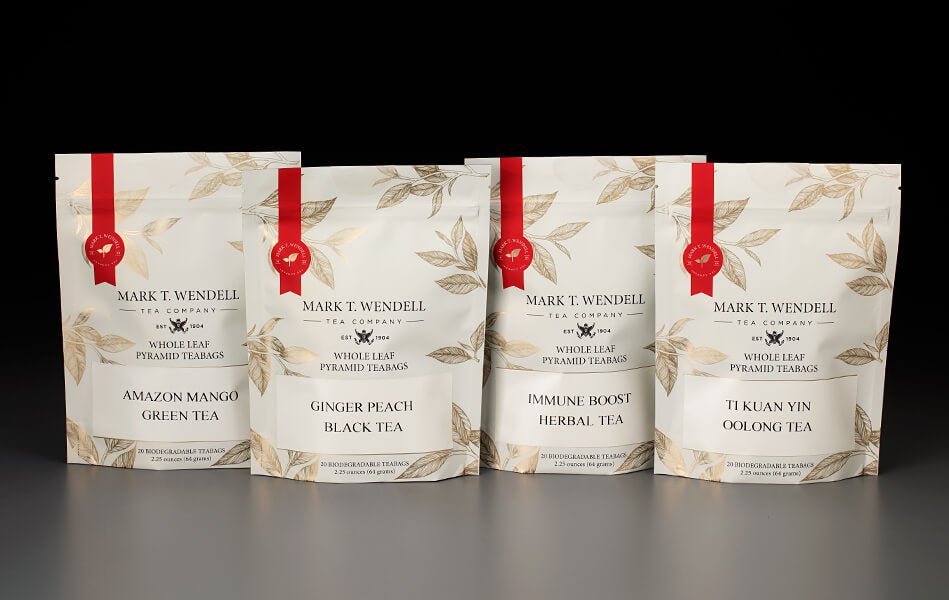
Explore Mark T. Wendell Tea Company's carefully curated collection of premium loose-leaf teas—from delicate white teas and vibrant green teas to classic black teas, aromatic oolongs, and naturally caffeine-free herbal infusions. With thoughtful brewing and exceptional tea, you'll discover new depth, aroma, and flavor in every cup.
Find your next favorite tea and experience the difference that quality leaves and proper brewing can make.