


Choosing your first loose leaf tea doesn’t have to be complicated. With so many varieties, flavors, and brewing styles available, the easiest place to start is by thinking about what you enjoy in a cup — you don’t need to be a tea expert to make a good choice.
Do you prefer bold and rich flavors, something fresh and delicate, or a naturally caffeine-free botanical blend? Your answer can point you toward the right tea. Loose leaf tea also gives beginners a more tangible way to explore: whole or larger leaves let you see the tea’s size, shape, and appearance, offering clues about what’s actually in the cup.
What Is Loose Leaf Tea?
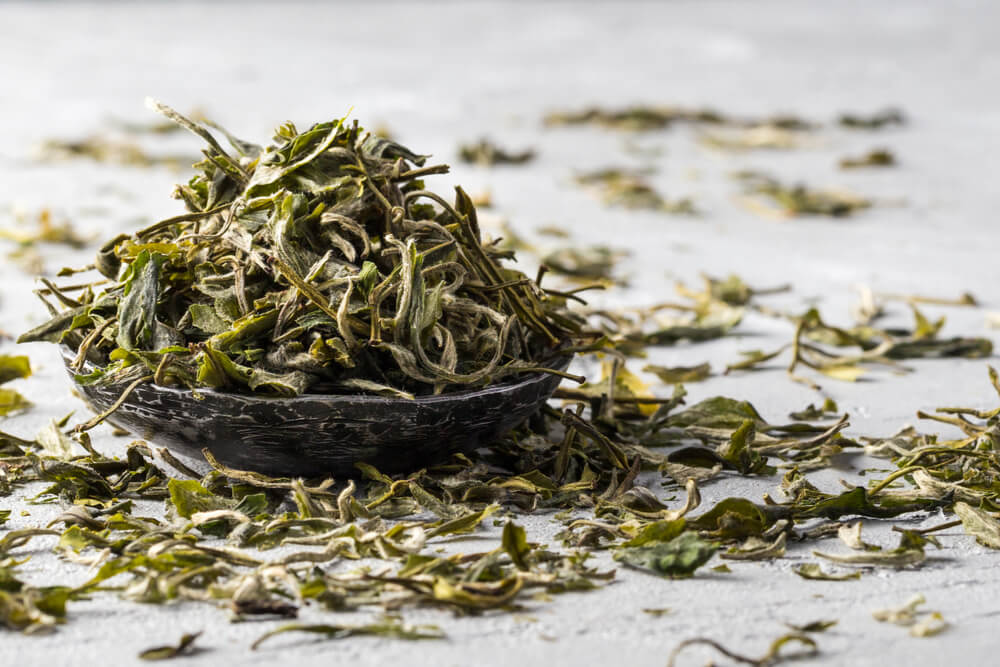
Loose leaf tea is brewed without enclosing the leaves in an individual tea bag — instead, the leaves go directly into a teapot, infuser, gaiwan, or other brewing vessel.
Black, green, and oolong teas all come from the Camellia sinensis plant. Differences in processing, particularly how oxidation is managed, create their distinct flavors, aromas, and appearances.
Herbal tea is different. Technically, an herbal tisane isn’t tea in the botanical sense — it’s generally made from herbs, flowers, spices, fruit, roots, or other botanicals rather than Camellia sinensis. This distinction matters because processing and ingredients strongly influence flavor, aroma, and caffeine content.
Which Loose Leaf Tea Is Right for You?
The easiest way to begin is to compare the four categories.
*Caffeine depends on the ingredients. An herbal blend containing a naturally caffeinated ingredient is an exception.

Black Tea: Bold and Full-Bodied
Black tea is a natural choice if you enjoy a fuller-bodied cup. The leaves undergo substantial oxidation before drying, producing the darker appearance and flavor commonly associated with black tea — malty, brisk, earthy, fruity, smoky, or pleasantly astringent, depending on origin and production style.
If you usually add milk or sweetener, a robust black tea is a practical place to start. When shopping online, read the product description for origin, leaf style, and flavor profile rather than choosing by name alone.
Beginner tip: If your black tea tastes too intense, use slightly less tea or shorten the steeping time.
Green Tea: Fresh and Versatile
Green tea is heated early in production to limit oxidation, producing flavors that range from grassy and vegetal to nutty, sweet, marine, or gently roasted, depending on style and origin.
Brewing temperature and steeping time noticeably affect green tea’s flavor — if your cup tastes bitter or astringent, try cooler water or a shorter infusion. When buying online, look for clear information on origin, harvest, or style, along with recommended brewing parameters.
Beginner tip: Start with cooler water and a shorter infusion; you can always steep longer next time.
Oolong Tea: Explore a Wider Range of Flavors
Oolong sits between green and black tea because it’s partially oxidized — but “oolong” doesn’t describe one single flavor. Production spans a wide range of styles: some oolongs are highly floral and aromatic, while others are creamy, fruity, roasted, toasted, or woody. Leaf shape and processing vary considerably too, which makes oolong especially useful for beginners who want to see how processing shapes flavor.
When buying online, pay attention to descriptions of oxidation, roasting, and growing region — these details offer useful clues about what to expect in the cup.
Beginner tip: Many oolongs can be brewed more than once, with each infusion revealing different flavors and aromas.
Herbal Tea and Tisanes: A Naturally Caffeine-Free Choice
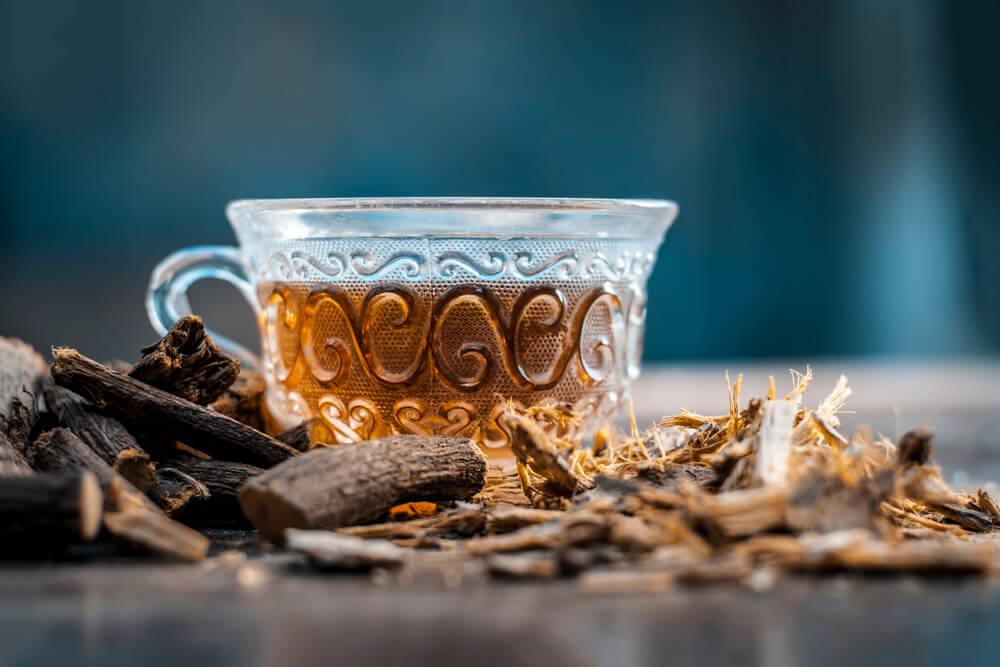
Herbal tisanes are a different category altogether. Common ingredients include chamomile, peppermint, hibiscus, ginger, rooibos, fruit pieces, and various flowers or spices. Because they’re generally made without Camellia sinensis, many are naturally caffeine-free — though it’s worth checking the ingredient list rather than assuming every botanical beverage is.
Herbal tisanes are a good choice when you want something naturally caffeine-free or simply prefer botanical flavors, and they range from bright and fruity to minty, floral, spicy, or earthy.
Beginner tip: Give herbal blends time to infuse — many botanicals benefit from a longer steep than delicate green tea.
|
Black Tea |
Green Tea |
Oolong Tea |
Herbal Tea and Tisanes |
|
|
|
|
|


How Processing Shapes Tea Flavor
Processing plays a central role in a tea’s flavor, aroma, color, and body — and it’s not just a matter of “strong” versus “light.” It shapes astringency and the overall balance of flavors in the finished cup. In broad terms:
- Green tea is processed to minimize oxidation.
- Oolong tea is partially oxidized, with considerable variation between styles.
- Black tea is generally produced through extensive oxidation.
- Herbal tisanes follow entirely different methods, since they’re botanical infusions rather than traditional tea.
Why Tea Origin Can Influence Flavor
The same tea category can taste very different depending on where and how it’s grown. Terroir, elevation, climate, soil, cultivar, harvest timing, and agricultural practices all shape a leaf’s raw characteristics — processing then shapes them further. Teas from different growing regions can show noticeably different levels of floral aroma, maltiness, vegetal character, or astringency, even within the same broad category.
This is why sourcing transparency matters. When evaluating loose leaf tea, look for clear information about country or region of origin, ingredients, processing style, and harvest timing where available. Origin alone isn’t a guarantee of quality, but it gives you useful context.
A Simple Starting Guide for Brewing Loose Leaf Tea
Good tea does not require complicated equipment. The most important variables are leaf quantity, water temperature, steeping time, and water quality.
As a starting point:
- Black tea: 195–212°F (90–100°C) for approximately 3–5 minutes
- Green tea: 170–175°F (75–80°C) for approximately 1–3 minutes
- Oolong tea: 185–205°F (85–96°C) for approximately 2–4 minutes using a Western-style infusion
- Herbal tea: around 212°F (100°C) for approximately 5–10 minutes or longer, depending on the ingredients
These are starting points rather than strict rules. Tea styles vary, and producers may recommend different parameters.
Tea Tastes Bitter? Try These Simple Adjustments
Don’t assume bitterness means poor quality — adjust the brewing first:
- Lower the water temperature
- Shorten the steep
- Use slightly less leaf
- Check whether the tea is intended for multiple infusions
- Use fresh, good-quality water
Astringency and bitterness can be part of a tea’s intended character, but brewing method significantly affects how strongly they come through.
What to Look for When Buying Loose Leaf Tea
Whether you’re buying for home use or evaluating tea for a café, restaurant, or retail business, a few details deserve attention:
- Ingredient transparency — single-origin, blend, or flavored tea
- Origin — country or regional sourcing information
- Processing — oxidation and roasting details that help predict flavor
- Freshness and storage — protection from moisture, heat, odors, and light
- Brewing guidance — a sign the tea was considered as a brewing product, not just a packaged commodity
- Sustainability — specific, transparent claims about sourcing and packaging are more useful than vague ones
Buying for a business? Also weigh supplier consistency, packaging, product information, availability, and communication.
FAQ: Common Questions About Loose Leaf Tea
Is loose leaf tea better than tea bags?
Not automatically. Loose leaf gives leaves more room to expand and makes it easier to see leaf size and style, but quality ultimately depends on the tea, processing, storage, and brewing — not the format alone.
Which loose leaf tea is best for beginners?
There’s no universal “best.” Black tea suits bold-flavor preferences, green tea suits fresher profiles, oolong offers the most stylistic variety, and herbal tisanes suit those seeking caffeine-free botanical infusions.
How much caffeine does loose leaf tea contain?
Caffeine varies by tea, cultivar, leaf material, harvest, and brewing conditions. Black tea is often perceived as stronger, but color or category alone doesn’t determine caffeine content.
Can I drink loose leaf tea more than once?
Yes — many teas can be steeped multiple times. Oolong and some traditionally processed teas are especially well suited to repeated infusions, with each one revealing different characteristics.
How much loose leaf tea should I use?
A common starting guideline is about 1 teaspoon per 8 ounces of water, but the ideal amount depends on leaf density, which varies significantly — weighing the tea gives more consistent results.
How should loose leaf tea be stored?
Keep it in an airtight container away from moisture, heat, strong odors, and direct light. Avoid storing tea next to strongly scented foods, since dry tea absorbs surrounding aromas.
Start With Flavor, Then Explore Further
Start with the flavors you enjoy, choose a tea category that matches your preferences, and experiment with brewing until you find what works. As you get comfortable adjusting water temperature, steeping time, and leaf quantity, brewing becomes another way to customize the experience.
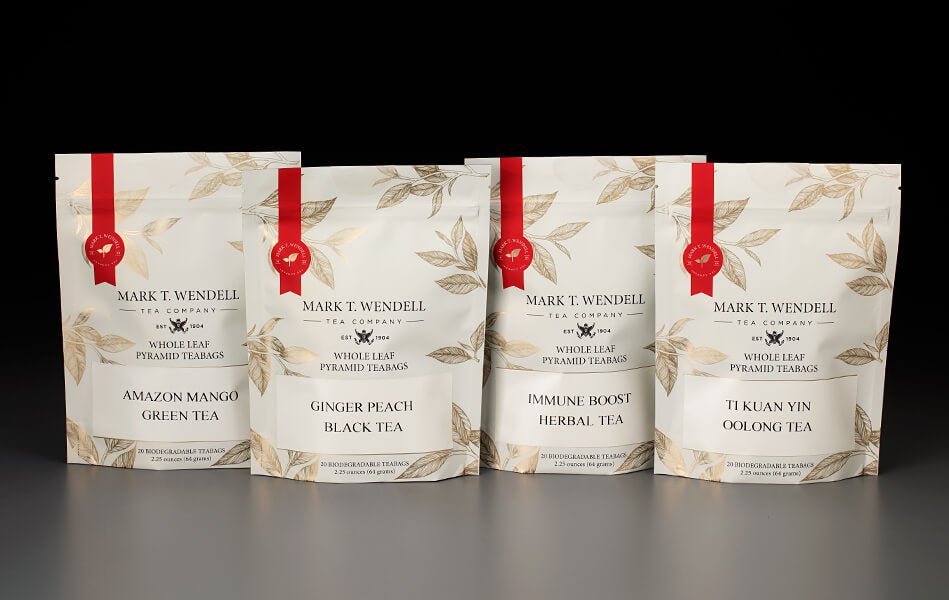
For readers ready to explore, Mark T. Wendell Tea Compny’s collections of black, green, oolong, and herbal fruit teas are natural starting points for comparing categories and discovering personal preferences.
The most useful tea education is ultimately experiential: taste different origins, change one brewing variable at a time, and keep notes on what you enjoy. Over time, those observations turn a beginner into a confident tea buyer and brewer.