


Shorter days, cooler air, and quieter evenings create space for simple rituals that bring warmth and comfort. Among them, brewing black tea stands out as one of the most enduring and satisfying traditions. Across cultures and centuries, black tea has been a companion to cold weather, offering depth, structure, and a steady sense of calm.
Today, as more people explore black tea online, interest has shifted from convenience to understanding. Tea drinkers want to know why certain teas feel better in winter, how origin affects flavor, and which styles best suit long evenings indoors. Holiday black teas, in particular, reflect both tradition and seasonality without relying on novelty.
This guide explores winter-ready black teas drawn from classic growing regions and time-honored styles. By understanding their origins, flavor profiles, and best uses, readers can approach a black tea collection with clarity and confidence, deepening appreciation rather than simply filling a cup.
Why Black Tea Naturally Belongs to Winter
Black tea’s connection to winter begins with how it is made. Fully oxidized leaves develop stronger cell structures, deeper color, and more complex flavor compounds than lightly processed teas. These qualities result in a cup that feels warm, grounding, and resilient.
Historically, black tea gained prominence in colder regions because it stored and transported well. It is noted that oxidized teas are less sensitive to temperature and humidity changes, making them ideal for long journeys and winter climates. Over time, this practicality shaped cultural preferences.
Additionally, black tea contains theaflavins and thearubigins, natural compounds linked to body and richness in flavor. These compounds contribute to the satisfying mouthfeel many people associate with warmth. As a result, black tea continues to feel especially comforting when the weather turns cold.

Assam Black Teas: Malty Strength for Cold Evenings
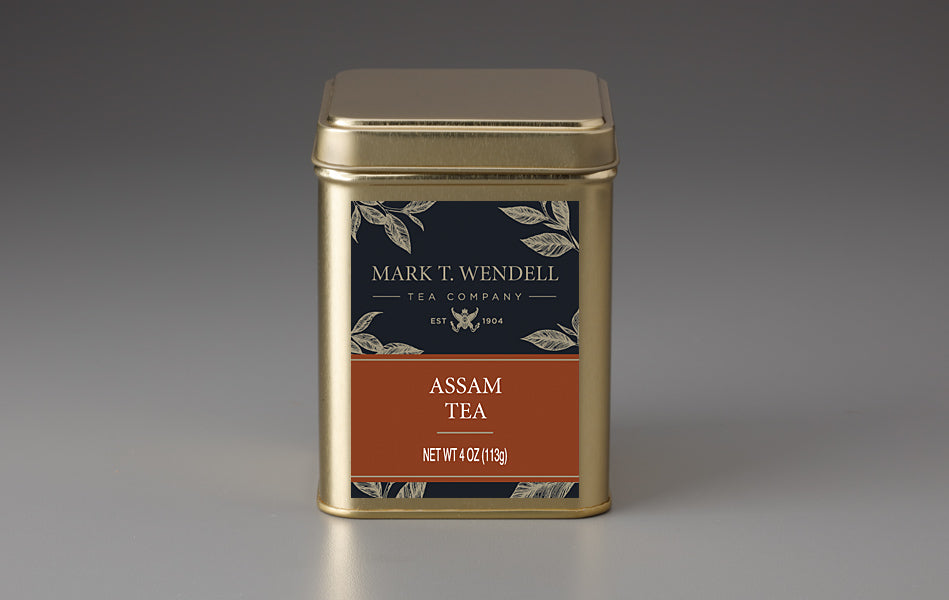
Assam black tea is one of the most iconic winter teas in the world. Grown in India’s northeastern Brahmaputra Valley, Assam experiences heavy rainfall and warm temperatures that encourage large, bold tea leaves.
Teas such as Assam TGFOP and Assam Estate Black Tea, both represented within the Mark T. Wendell black tea collection, are known for their:
-
Malty, bread-like depth
-
Coppery liquor
-
Natural sweetness and full body
The Indian Tea Board reports that Assam teas are favored in colder climates because they maintain flavor even when brewed strongly or enjoyed with milk. This makes them ideal for winter mornings and long evenings alike.
For those who buy black tea online seeking consistency and warmth, Assam teas often become foundational staples, dependable, satisfying, and rooted in tradition.
Darjeeling Black Tea: Refined Warmth with Complexity
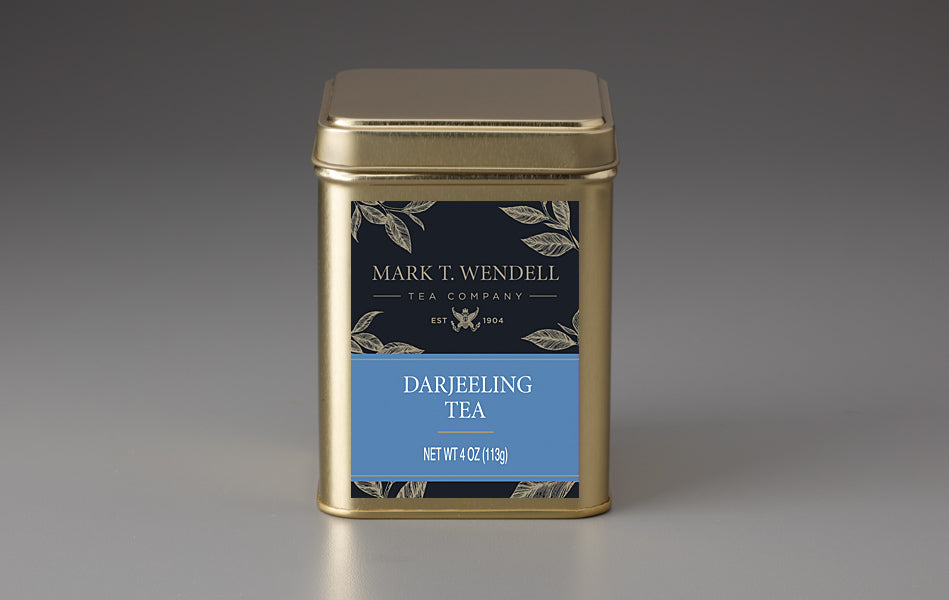
Darjeeling is often celebrated for its lighter seasonal teas, yet fully oxidized Darjeeling loose leaf tea offers a uniquely elegant winter experience. These teas emphasize aroma and nuance rather than sheer strength.
Darjeeling Estate Black Teas typically present:
-
Muscat grape notes
-
Light floral accents
-
A clean, dry finish
Black teas from this region appeal to winter drinkers who prefer complexity without heaviness. They are particularly well-suited to afternoons or early evenings, when a gentler warmth feels appropriate.
Within a broader black tea collection, Darjeeling provides balance. It invites slower sipping and thoughtful attention, making it a natural companion for reflective winter moments.
Buy Darjeeling tea
Organic Ceylon Black Teas: Bright Contrast to Winter Richness
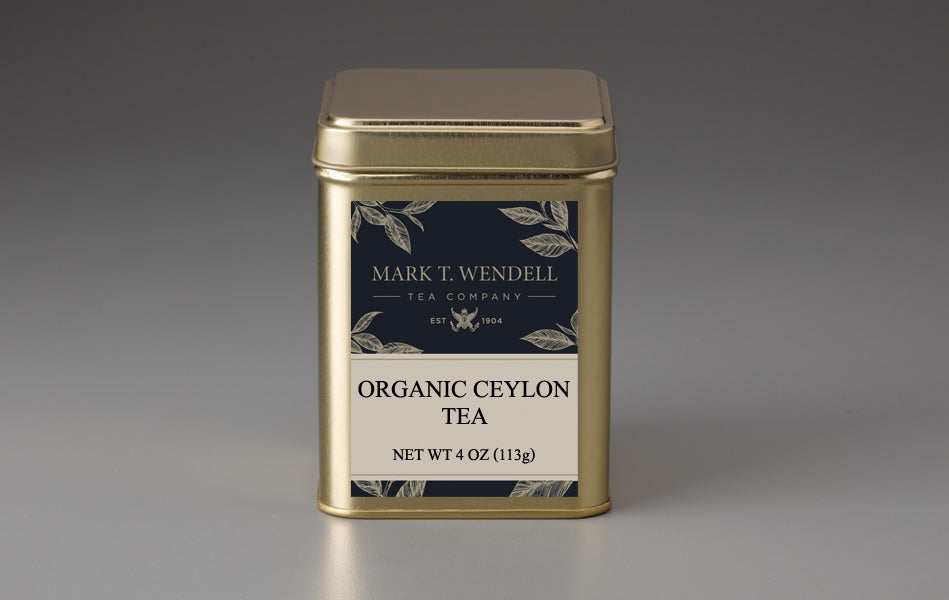
Organic Ceylon black teas from Sri Lanka bring clarity and brightness to winter tea drinking. High-grown Ceylon OP teas are known for their brisk character and refreshing finish.
Common characteristics include:
-
Citrus and light pine notes
-
Medium body with crisp structure
-
Excellent clarity in both aroma and flavor
It highlights Ceylon tea’s versatility, noting its ability to complement rich foods often enjoyed during colder months. While winter meals tend to be heavier, a bright tea provides contrast rather than adding weight.
For those who shop black tea online and enjoy a clean, uplifting cup even in winter, Ceylon black teas offer a refreshing alternative to malt-forward styles.
Keemun and Chinese Black Teas: Smooth Comfort Without Spice
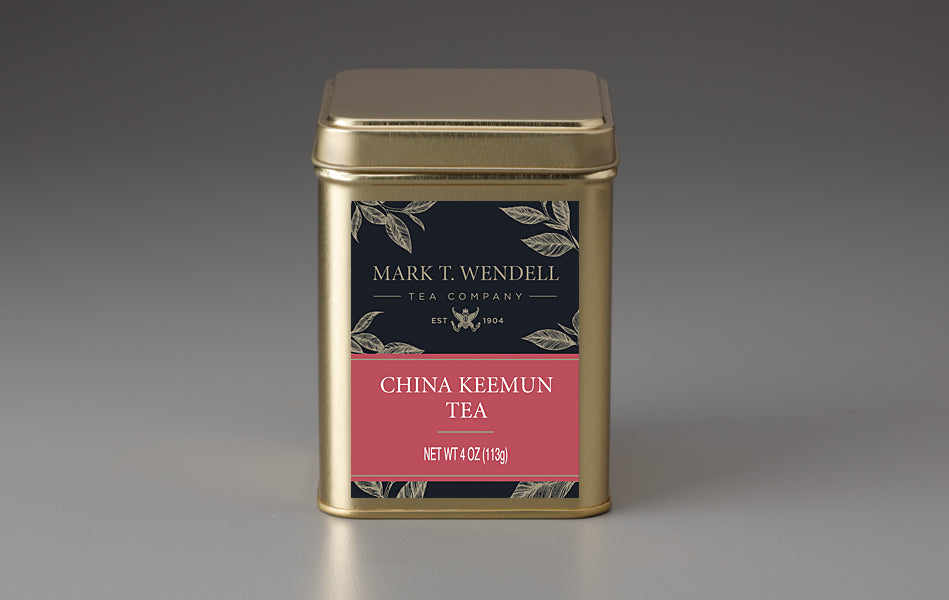
Chinese black teas, especially Keemun, are among winter’s most understated pleasures. Unlike bolder teas, Keemun focuses on smoothness and aromatic depth.
Typical flavor notes include:
-
Cocoa and baked bread
-
Gentle smokiness
-
Subtle dried fruit
Renewed interest in Keemun stems from its natural sweetness and low bitterness, even with longer steeping times. These qualities make it especially suitable for evening drinking.
For tea drinkers exploring black tea online with an interest in quiet sophistication, Keemun tea offers warmth without intensity, an ideal tea for calm winter nights.
Flavored Black Teas with Subtle Seasonal Appeal
While classic origin teas form the backbone of winter tea drinking, lightly flavored black teas can add variety when blended with restraint. The key is balance, allowing the tea itself to remain central.
Winter-friendly flavored black teas often include:
-
Earl Grey, scented with natural bergamot oil
-
Black teas with gentle vanilla notes
-
Mildly spiced black teas emphasizing warmth over sweetness
Earl Grey tea remains one of the most consumed flavored black teas during colder months due to its aromatic lift and versatility. When crafted carefully, flavored black teas offer indulgence without excess, supporting the season rather than distracting from it.
Brew Away the Winter Chill: The Ultimate Guide to Perfect Black Tea
Proper preparation enhances comfort and preserves quality. Winter brewing benefits from attention to temperature, timing, and vessel choice.
Recommended practices include:
-
Use fresh, filtered water
-
Heat water to 200–212°F (93–100°C)
-
Steep for 3–5 minutes, adjusting by leaf size
-
Warm cups or teapots before brewing
Storage matters just as much. It is advised to keep black tea in airtight containers, away from light, moisture, and strong kitchen aromas, especially important in winter when cooking is frequent. These small practices ensure that every cup reflects the craftsmanship behind the tea.
Choosing Quality When Buying Black Tea Online
As interest in black tea online continues to grow, understanding quality markers becomes essential. Good tea communicates its origins clearly and respects traditional processing methods.
Indicators of quality include:
-
Clearly identified regions or estates
-
Whole or well-twisted leaves
-
Balanced aroma without sharp artificial notes
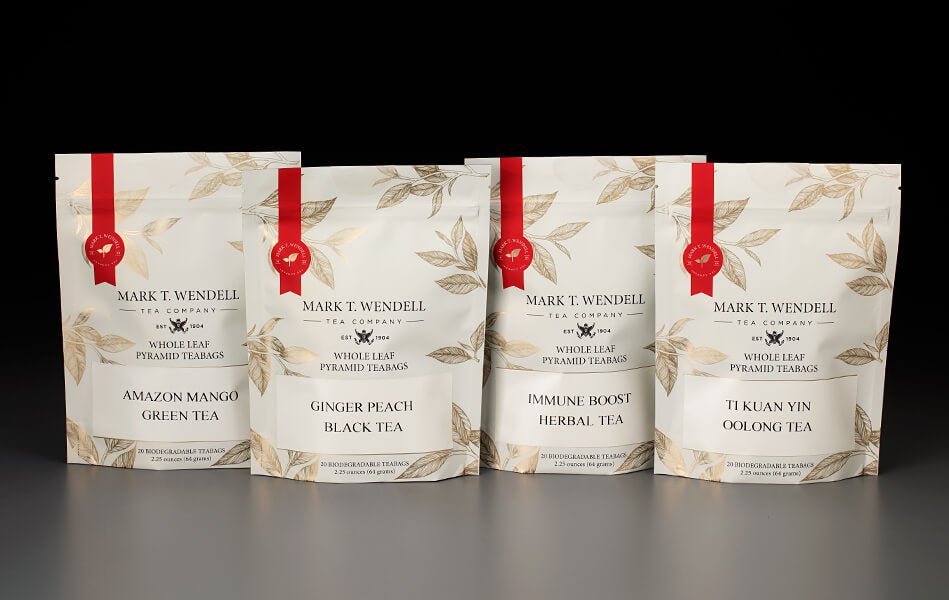
Heritage tea companies like Mark T. Wendell Tea Company emphasize these principles through careful sourcing and long-standing relationships with producers. This approach supports consistency, transparency, and trust.
Navigating a black tea collection with this knowledge turns selection into an educational experience rather than a guessing game.
A Season to Slow Down and Savor
Winter invites us to move at a quieter pace and to find comfort in simple, intentional moments. Black tea naturally becomes part of that rhythm, offering warmth, depth, and a steady presence through shorter days and longer evenings. In the act of brewing and sipping, tea shifts from a daily habit to a mindful ritual.
Each cup reflects patience and craftsmanship, from the bold strength of Assam to the elegance of Darjeeling and the smooth balance of Keemun. Taking time to understand these teas deepens the experience, reminding us that some pleasures are meant to be unhurried.
As the season unfolds, let black tea anchor your winter rituals. Discover thoughtfully sourced, expertly crafted black teas and begin your next cup at Mark T. Wendell.