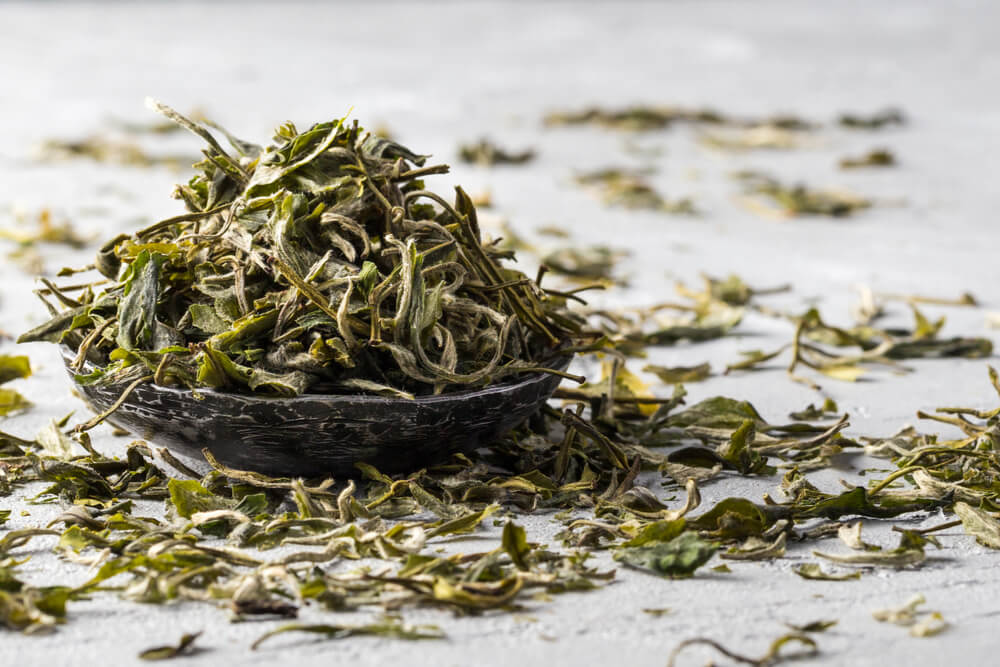



Green tea and black tea come from the same plant, but they can taste remarkably different. Green tea is often fresh, vegetal, or delicate, while black tea can be bold, malty, brisk, or robust. The right choice comes down less to which tea is “better” and more to what you enjoy in a cup — the flavors you gravitate toward, how you like to drink your tea, and the brewing experience you prefer.
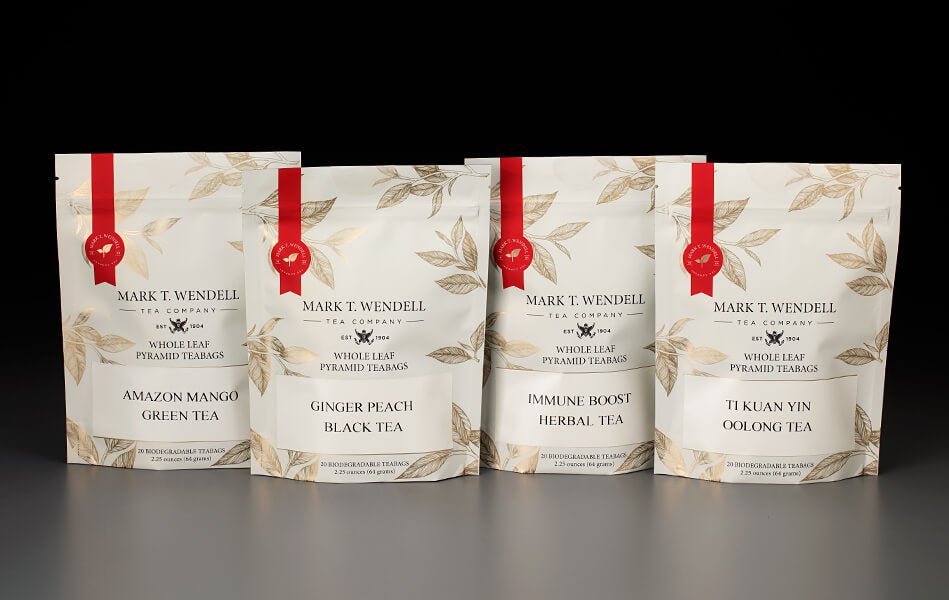
At Mark T. Wendell Tea Company, we've been helping people find teas they love for over 122 years, so we get this question often. Here's how to think through it.
Green Tea vs. Black Tea: At a Glance
|
Feature |
Green Tea |
Black Tea |
|
Tea plant |
Camellia sinensis |
Camellia sinensis |
|
Oxidation |
Minimal |
Extensive |
|
Typical color |
Pale green to golden |
Amber to deep reddish-brown |
|
Flavor profile |
Fresh, grassy, vegetal, floral |
Malty, brisk, robust, fruity or smoky |
|
Body |
Generally lighter |
Generally fuller |
|
Common origins |
China, Japan and other tea-growing regions |
India, Sri Lanka, China, Africa and other regions |
|
Common serving styles |
Plain, iced, or blended |
Plain, with milk, iced, or blended |
|
Best for |
Lighter, fresher flavors |
Fuller, bolder flavors |
The biggest difference between green and black tea begins after the leaves are harvested — during processing. Understanding what happens there makes it much easier to understand why the two teas taste so different.
How Are Green Tea and Black Tea Processed?
Green and black tea begin with the same plant, but different processing methods create their distinct characters. Green tea is processed to minimize oxidation, preserving its fresh, light qualities. Black tea is more extensively oxidized, developing deeper color and fuller, richer flavor.
|
Processing Stage |
Green Tea |
Black Tea |
|
Harvest |
Young or mature tea leaves depending on style |
Young or mature leaves depending on style |
|
Withering |
May be limited or carefully controlled |
Commonly used to reduce moisture |
|
Oxidation |
Minimized |
Encouraged |
|
Heat treatment |
Often steamed or pan-fired |
Usually oxidized before final drying |
|
Final character |
Fresh and delicate |
Rich and full-bodied |
Processing is only one part of the story, though. Growing region, altitude, cultivar, harvest season, leaf grade, and production technique all shape the finished cup.
Japanese green teas, for example, are often prized for fresh, vegetal flavors, while Assam black teas are known for bold, malty character. Chinese teas can offer an even wider range across both categories.
How Does Oxidation Change Tea Flavor?
Oxidation is one of the most useful concepts for understanding the difference between green and black tea.
Green tea is processed to preserve much of the leaf's fresh character. Depending on the style, you may notice grassy, vegetal, sweet, nutty, or floral notes.
Black tea undergoes more oxidation, which develops darker colors and deeper flavors. Depending on its origin and production style, a black tea may taste malty, brisk, fruity, earthy, or smoky.
|
Tea Type |
Common Flavor Characteristics |
Often Suited To |
|
Japanese green Tea |
Vegetal, fresh, savory |
Drinkers who prefer lighter, distinctive flavors |
|
Chinese green tea |
Grassy, nutty, sweet |
Those looking for varied green tea profiles |
|
Assam black tea |
Malty, strong, brisk |
Full-bodied breakfast-style cups |
|
Darjeeling black tea |
Floral, fruity, lighter-bodied |
Drinkers seeking complexity |
|
Ceylon black tea |
Bright, brisk, aromatic |
Plain or iced tea |
These are general tendencies, not hard rules — tea can vary considerably from one estate, harvest, and processing style to the next. As a rough starting point: if you enjoy lighter, fresher flavors, green tea is worth starting with; if you prefer deeper, fuller flavors, reach for black tea.
How Should You Brew Green Tea and Black Tea?
Brewing technique can dramatically affect flavor. Green tea can turn bitter or overly astringent with water that's too hot or a steep that runs too long. Black tea generally tolerates hotter water and longer steeping without the same risk.
|
Brewing Factor |
Green Tea |
Black Tea |
|
Starting temperature |
Often around 160–180°F |
Often around 195–212°F |
|
Steeping time |
About 1–3 minutes |
About 3–5 minutes |
|
Flavor concern |
Too much heat can emphasize bitterness |
Over-steeping can increase astringency |
|
Best approach |
Adjust temperature and time to the specific tea |
Adjust time and strength to taste |
These are useful starting points, not strict rules — always follow the brewing instructions for your specific tea, then adjust to taste.
Our Japanese Sencha Green Tea, for instance, recommends roughly 160–170°F water, while our Autumn Cranberry Black Tea calls for closer to 205–212°F with a 4–5 minute steep. Small differences like these are exactly why we include brewing guidance on every tea we sell.

Troubleshooting Common Issues
|
Problem |
Green Tea |
|
|
Starting temperature |
Often around 160–180°F |
Often around 195–212°F |
|
Steeping time |
About 1–3 minutes |
About 3–5 minutes |
|
Flavor concern |
Too much heat can emphasize bitterness |
Over-steeping can increase astringency |
Troubleshooting Common Issues
Is your green tea too bitter? Try cooler water or a shorter steep.
Is your black tea too bitter or astringent? Reduce the steeping time or slightly adjust the water temperature.
Does your tea taste weak? Try increasing the amount of tea rather than dramatically increasing steeping time.
Which Tea Should You Choose?
Start with flavor, body, and how you typically enjoy your tea, rather than trying to figure out which category is universally “better” — because it isn't one or the other.
|
If You Prefer... |
Consider |
Why? |
|
Fresh, vegetal flavors |
Green tea |
Lighter and more delicate |
|
Bold, malty flavors |
Black tea |
Fuller-bodied and robust |
|
Tea without milk |
Either |
Both offer styles suited to drinking plain |
|
Tea with milk |
Black tea |
Robust styles pair well with milk |
|
Iced tea |
Green or black |
Both work well depending on the recipe |
|
Trying different flavors |
Both |
Each offers many styles and origins |
|
Not sure what you like |
Sampler |
Try different teas before buying more |
When shopping for either, look at the flavor description rather than choosing by name or origin alone — that's the detail most likely to match what you actually enjoy drinking.
Ready to compare? Start with our green tea offerings if you're drawn to fresh, lighter flavors, or browse our black tea selections if you prefer bold, full-bodied cups. Still undecided? A sampler lets you try several side by side before you commit.
How Do You Choose Quality Loose Leaf Tea?
Whether you're buying green tea or black tea, look beyond the name and price. Origin, ingredients, processing, harvest information, leaf appearance, and brewing instructions all tell you more about what you're buying.
|
What to Check |
Why It Matters |
|
Origin |
Provides useful context about growing conditions and regional styles |
|
Tea type |
Helps you understand expected processing and flavor |
|
Ingredients |
Important for flavored or blended teas |
|
Harvest information |
Can provide additional insight into freshness and character |
|
Brewing instructions |
Helps you prepare the tea correctly |
|
Leaf appearance |
Can offer clues about processing and style |
A reputable tea company should be transparent about all of this. And a higher price tag doesn't automatically mean a better tea — origin, processing, freshness, and your own palate matter more than what a tea costs. A tea one person considers exceptional may not be the style you enjoy most, and that's fine — it's part of what makes exploring different teas worthwhile.
Frequently Asked Questions (FAQs)
Can I mix black tea and green tea together?
Yes. Blending the two combines the fuller flavor of black tea with the lighter, fresher taste of green tea. The resulting caffeine content depends on how much of each you use.
Why do people drink green tea instead of black tea?
Usually for its lighter flavor, fresh vegetal character, different brewing experience, or caffeine profile. The right choice depends on the flavor and drinking experience you're after.
Why does black tea taste different from green tea?
Primarily because of processing. Black tea is more extensively oxidized, producing bold, rich, sometimes malty flavor. Green tea sees minimal oxidation, giving it a lighter, fresher, often grassy or vegetal taste.
Which tea is better for beginners — green or black?
Neither is universally better. Black tea suits those who enjoy bold, robust flavors; green tea suits those who prefer lighter, fresher, vegetal notes. Trying both is the fastest way to find out which you prefer.
How do I choose between green tea and black tea?
Start with the flavors and serving styles you already enjoy. Choose green tea for fresh, lighter flavors, or black tea for bold, malty, full-bodied cups. Comparing teas from different origins can also help you see how processing and growing regions shape flavor.
Which has more antioxidants, black tea or green tea?
Both contain antioxidants, just different types shaped by their processing. Green tea is known for catechins; black tea contains more oxidized compounds such as theaflavins and thearubigins. Neither is objectively superior on this basis alone.
Conclusion
Green tea and black tea offer two very different experiences from the same plant. Green tea suits those who enjoy fresh, lighter flavors; black tea suits those drawn to bold, full-bodied cups. The best way to decide is to taste both and see which suits your palate.
Explore our green tea and black tea offerings to compare styles and origins, or start with a sampler if you'd like to try several before choosing a favorite.