


After a long day, many people look for simple ways to slow down and unwind. For some, that means reading a book, listening to calming music, or stepping away from screens. For others, it means enjoying a warm cup of herbal tea as part of an evening ritual. From chamomile and lavender to peppermint and lemon balm, herbal infusions offer comforting flavors, soothing aromas, and naturally caffeine-free enjoyment that fit beautifully into relaxing routines.
Herbal teas have been enjoyed across cultures for centuries and continue to be popular among tea drinkers seeking flavorful alternatives to traditional caffeinated beverages. While certain herbs are traditionally associated with relaxation and bedtime routines, individual experiences vary. Much of the appeal comes from the overall tea-drinking experience itself: the warmth of the cup, the aroma of the herbs, and the opportunity to pause and be present.
Unlike traditional teas made from the Camellia sinensis plant, most herbal infusions are naturally caffeine-free, making them a popular choice for afternoon and evening enjoyment.
Herbal Traditions and Individual Experiences
Herbal teas have long been enjoyed as part of cultural traditions, wellness practices, and daily rituals around the world. References to relaxation, sleep, or stress relief in this article reflect traditional uses, historical associations, and common consumer experiences with herbal ingredients.
Individual responses to herbal teas may vary. The information provided here is intended for educational purposes and focuses on flavor, aroma, tea traditions, and enjoyment. These herbal infusions are not intended to diagnose, treat, cure, or prevent any disease.
What Is the Best Herbal Tea for Relaxation?
Chamomile, lavender, valerian root, lemon balm, and peppermint are among the most popular herbal teas traditionally associated with relaxation and evening enjoyment. Because most herbal infusions are naturally caffeine-free, they are frequently chosen as part of bedtime rituals and calming nighttime routines. The best choice ultimately depends on personal taste preferences and the type of tea experience you enjoy most.
Understanding Herbal Teas and Relaxation
Herbal teas occupy a unique place within the broader tea world. While black, green, white, and oolong teas all come from the tea plant, herbal infusions are crafted from flowers, leaves, roots, fruits, seeds, and spices. This diversity creates an impressive range of flavor experiences—from delicate floral notes to refreshing minty blends and earthy herbal infusions.
One reason herbal teas are frequently associated with relaxation is their role in daily rituals. Selecting a blend, heating water, and allowing herbs to steep naturally encourages a slower pace. Many tea enthusiasts appreciate these moments as opportunities to step away from busy schedules and create intentional breaks throughout the day.
The aromas released during brewing also contribute to the experience. Floral ingredients such as chamomile and lavender fill the air with inviting scents, helping transform a simple cup of tea into a sensory ritual.

How Herbal Teas Fit into a Calming Routine
Creating a calming routine does not require complicated wellness practices. Often, simple habits repeated consistently become meaningful anchors in everyday life.
A cup of herbal tea can serve as a signal that the day is beginning to wind down. Preparing tea before bed may encourage a transition away from work, screens, and distractions. The brewing process itself becomes part of the ritual.
Many tea drinkers enjoy pairing herbal tea with activities such as:
- Reading
- Journaling
- Gentle stretching
- Meditation
- Listening to music
- Quiet reflection
Because most herbal teas are naturally caffeine-free, they fit comfortably into evening routines without introducing the stimulating qualities associated with caffeinated beverages.
7 Best Herbal Teas for Relaxation, Sleep, and Stress Relief
1. Camomile Herbal TeaCamomile Herbal Tea remains one of the most recognized herbal infusions worldwide. The small daisy-like flowers have been enjoyed in traditional herbal preparations for centuries and continue to be a favorite ingredient in evening tea blends. Camomile offers a delicate floral flavor with subtle apple-like sweetness and a gentle aroma that many tea drinkers find comforting. Egyptian chamomile is often prized for its naturally sweet profile, while German chamomile is appreciated for its soft herbal character. Its naturally caffeine-free nature and long-standing place in bedtime tea traditions make chamomile a popular choice for peaceful evening enjoyment. |
 
|
2. Lavender Herbal TeaLavender Herbal Tea is widely admired for its elegant floral fragrance and distinctive character. Traditionally featured in herbal preparations and aromatic blends, lavender remains a popular ingredient in teas designed for evening enjoyment. The flavor of lavender is floral and lightly herbaceous, while its aroma is often described as fresh, fragrant, and soothing. Even small amounts can add remarkable depth to a tea blend, creating a layered sensory experience that many tea drinkers appreciate. Lavender Tea is commonly included in bedtime herbal tea blends because its aroma may help create an atmosphere that feels calm and restorative. Whether enjoyed on its own or combined with other botanicals, lavender brings a unique elegance to the cup that many people associate with moments of rest and reflection. |
3. Valerian Root Herbal TeaValerian Root Herbal Tea has a long history in traditional herbal practices and is frequently featured in herbal blends intended for evening use. Unlike lighter floral herbs, valerian contributes a deeper, earthier flavor profile that adds complexity to tea blends. Its aroma is distinctive and often described as woody or herbal. Because of its strong character, valerian is commonly blended with softer ingredients such as chamomile or lavender to create a more balanced cup. Its historical association with nighttime herbal traditions continues to make valerian a popular ingredient in herbal tea blends designed for evening enjoyment. |
 |
Herbal Teas Commonly Enjoyed Before Bed
 |
4. Bedtime Herbal Tea BlendsA thoughtfully crafted Bedtime Herbal Tea often combines several complementary ingredients to create a balanced flavor profile. These blends may feature chamomile, lavender, valerian, and other traditional botanicals known for their pleasant aromas and caffeine-free nature. The appeal of a bedtime blend lies in its complexity. Floral notes, earthy undertones, and subtle sweetness work together to create a richer tea experience than many single-ingredient infusions. As the tea steeps, different aromas emerge, making each cup a sensory experience in itself. Many people enjoy bedtime blends as part of an evening ritual because the preparation process may help establish consistency and mindfulness. The warmth of the tea and the quiet moments spent sipping it often become just as important as the ingredients themselves. |
5. Organic Sleep Well TeabagsSleep well tea blends are typically formulated with botanical ingredients traditionally associated with nighttime tea rituals. These blends are designed to offer enjoyable flavor, inviting aroma, and a comforting tea-drinking experience. Depending on the blend, the flavor may range from floral and mildly sweet to earthy and herbal. The aroma often creates a cozy atmosphere that complements evening routines and encourages slower, more intentional moments. Many tea enthusiasts appreciate the convenience of Sleep Well Teabags, which make preparation simple and consistent. Having a favorite blend readily available can make it easier to maintain a nightly tea ritual that fits into everyday life. |
 |
Herbal Teas Many People Choose During Stressful Periods
 |
6. Peppermint Leaf Herbal TeaPeppermint Leaf Herbal Tea is known for its refreshing character and naturally cooling flavor. While it is not traditionally categorized as a sleep-focused herb, its caffeine-free nature makes it a versatile addition to both daytime and evening routines. The flavor is bright, crisp, and invigorating, while the aroma creates a clean and refreshing sensory experience. Peppermint has been enjoyed as a herbal infusion across Europe and the Middle East for generations and remains one of the most popular herbal teas available today. |
7. Immune Support Herbal BlendsImmune Support Herbal Blends created for general wellness often include a variety of botanicals, spices, and herbs that contribute both flavor and aroma. While these blends are not specifically intended as sleep teas, they can still play a role in comforting daily tea rituals. Depending on the ingredients, these infusions may feature citrus notes, warming spices, floral elements, or herbal complexity. Their layered flavor profiles create enjoyable tea experiences that many people appreciate during seasonal changes or periods of increased self-care. Many tea enthusiasts find that preparing a flavorful herbal infusion may encourage moments of relaxation simply by providing an opportunity to slow down and be present. The ritual itself often becomes a meaningful part of the experience. |
 |
Why Herbal Tea Quality Matters
Not all herbal teas deliver the same flavor experience. The quality of the botanicals, freshness of ingredients, and blending process can significantly influence aroma, flavor, and overall enjoyment.
Whole flowers, leaves, and herbs often provide richer and more nuanced infusions than lower-grade ingredients or heavily processed tea dust.
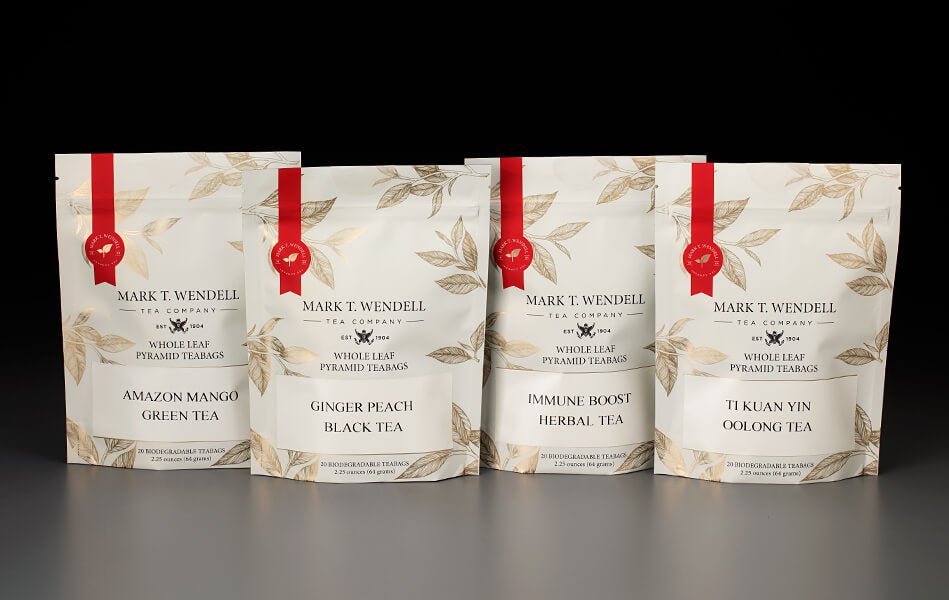
At Mark T. Wendell Tea Company, we believe the enjoyment of herbal tea begins with carefully selected ingredients, thoughtful blending, and proper preparation. Exploring high-quality teas allows tea drinkers to fully appreciate the flavors, aromas, and traditions behind every cup.
Finding Your Perfect Herbal Tea: Practical Tips for Everyday Enjoyment
Choosing the right herbal tea comes down to personal preference. Some people enjoy delicate floral blends like chamomile and lavender, while others prefer the refreshing character of peppermint or more complex herbal combinations. Exploring different ingredients is often the best way to discover what suits your taste and routine.
When selecting herbal teas, look for quality ingredients and clearly labeled blends. Tea companies with a strong focus on craftsmanship and tea education, such as Mark T. Wendell Tea Company, can be valuable resources for learning about herbal ingredients and traditional tea practices.
Helpful tips:
- Choose teas made with recognized botanical ingredients.
- Read ingredient labels carefully.
- Store teas in a cool, dry place away from light.
- Explore both single-herb teas and blended infusions.
- Match tea flavors to your preferences, whether floral, minty, or herbal.
- Pair tea with relaxing activities like reading or journaling.
Over time, exploring different herbal teas can lead to a greater appreciation for the flavors, traditions, and rituals that make herbal tea so enjoyable.
Brewing Tips for Maximum Enjoyment
Brewing herbal tea properly helps bring out the full flavor and aroma of each botanical ingredient. While individual blends may vary, most herbal infusions benefit from hot water and a generous steeping time.
Tea Brewing Tips for the best cup:
- Start with fresh, cold water.
- Bring water to a full boil.
- Pour over the tea and steep for 5-10 minutes.
- Cover the cup or teapot while steeping to help preserve aroma.
- Adjust steeping time based on your preferred strength.
Because herbal teas are often enjoyed for their flavor, aroma, and ritual, taking a few moments to brew mindfully can make the experience even more enjoyable. Always refer to the tea's packaging for blend-specific brewing recommendations.
FAQs (Frequently Asked Questions)
1. What herbal tea is best before bed?
Chamomile, lavender, valerian blends, and bedtime herbal teas are among the most popular choices. Many people enjoy these ingredients because they are naturally caffeine-free and have long histories in traditional evening tea rituals.
2. Which herbal teas are naturally caffeine-free?
Most herbal infusions, including chamomile, peppermint, lavender, valerian, and many bedtime blends, are naturally caffeine-free. Always check product labels to confirm specific ingredients.
3. Can herbal tea become part of a nighttime routine?
Yes. Many people incorporate herbal tea into their evening habits as a way to create consistency and encourage mindful relaxation. The ritual of preparing and drinking tea may become a meaningful part of winding down.
4. What ingredients are commonly found in relaxing tea blends?
Chamomile, lavender, valerian, peppermint, lemon balm, and other botanical ingredients are commonly featured in relaxing tea blends. Each contributes its own unique flavor and aroma characteristics.
5. How should herbal tea be brewed for the best flavor?
Most herbal teas are brewed with freshly boiled water and steeped for five to ten minutes. Adjusting steeping time allows you to customize strength and flavor according to personal preference.
Conclusion
Herbal teas offer more than just flavor; they create opportunities to slow down, engage the senses, and enjoy meaningful daily rituals. Whether you're exploring the floral sweetness of chamomile, the fragrant elegance of lavender, the earthy character of valerian, or the refreshing brightness of peppermint, each botanical brings something unique to the cup.
The appeal of herbal teas for relaxation often lies not in dramatic outcomes but in the simple experience of making time for yourself. A warm mug, a favorite blend, and a few quiet moments may help transform an ordinary evening into a more mindful one.
As you explore different herbal ingredients and tea traditions, you may discover flavors and aromas that become lasting favorites. The world of caffeine-free herbal infusions is rich with history, craftsmanship, and curiosity, offering countless opportunities to deepen your appreciation for the art of tea and the rituals that surround it.